Wet Basement London Ontario? Top Causes and Proven Solutions
Water in a basement is more than a nuisance. In London, Ontario, it can signal a mix of soil conditions, rainfall patterns, and aging infrastructure that, if ignored, will chew through finishes, invite mold, and weaken a foundation over time. I have walked into finished rec rooms that smelled like a dock in July and crawlspaces that dripped after a thaw. The fixes range from a $30 downspout extension to a full exterior excavation and waterproofing system. Knowing when each is appropriate is the difference between spending wisely and throwing money at symptoms.
Why wet basements are so common in London
Start with the ground itself. Much of London sits on clay and silty soils. Clay holds water, swells when saturated, and shrinks as it dries. That constant expand and contract cycle pries at foundation walls, especially block walls, and opens hairline cracks in poured concrete. Combine this with spring freeze-thaw and a few heavy storms in April or September, and you have frequent hydrostatic pressure against the below-grade walls.
Now add age. Many homes built before the mid 1970s relied on damp-proofing, not true waterproofing. Builders brushed on an asphaltic coating and called it good. Weeping tile was often clay pipe that can collapse, clog with fines, or break at joints. In the core and older suburbs, storm and sanitary lines can be undersized or partially blocked with tree roots. In a downpour, they back up just enough to push water through the path of least resistance, usually the floor-wall joint or a basement floor drain without a proper backwater valve.
The Thames River and its tributaries influence local groundwater. Homes near low-lying areas or with high seasonal water tables can see seepage that comes and goes with the river level and snowmelt. I have seen basements stay dry all summer, then wick water through a cold joint for four days straight in April. That is not a plumbing leak. That is groundwater.
What the water is trying to tell you
Not all wet basements are equal. The pattern of moisture tells you a lot. Staining that follows stepped mortar joints in block walls suggests lateral pressure and seepage through the wall itself. A thin damp line where the floor meets the wall points to hydrostatic pressure under the slab. A damp patch beneath a basement window after wind-driven rain implicates poor window well drainage or failed caulking. And random puddles near interior plumbing walls often trace back to a pinhole in a line or a condensation issue, not exterior intrusion.
The smell matters too. Musty, earthy odour after a rain hints at repeated wetting and mold. A strong, sewer-like smell during storms suggests a floor drain trap that dries out or a sanitary line venting into the space, both of which need a plumbing fix separate from basement waterproofing work.
Quick signs that deserve attention
Use this short checklist during or within 24 hours after a hard rain.
- Efflorescence, a white, chalky crust on walls that returns after cleaning
- Dark vertical or diagonal lines on walls indicating active seepage paths
- Spongy or cupped laminate flooring, especially near outside walls
- Drips into window wells or standing water inside the well
- Sump pump running continuously or tripping breakers
If two or more show up consistently, you have a pattern worth diagnosing, not a one-off spill.
Surface water, groundwater, or plumbing: narrowing the source
I like to split moisture sources into three buckets. Surface water arrives from above grade and usually follows gravity and grading errors. Groundwater comes through soil pressure and often shows up even when the yard looks dry. Plumbing is internal and independent of weather. The aim is to test each theory cheaply before signing up for heavy excavation.
Walk the exterior during rain, not just after. If downspouts dump water at the foundation, you have created a moat. A downspout needs at least 2 to 3 meters of extension on grade or a proper tie-in to a storm leader, assuming your municipality allows it. Check the slope within the first two meters from the wall. Soil should pitch away at about 2 to 3 percent. I have measured flower beds that pitched toward the house because someone wanted a level mulch edge. Pretty, but costly.
Groundwater signs are sneakier. The classic is a consistent wet ring at the floor-wall joint. If there is no sign of water higher on the wall and the sump pit rises quickly after rain, water is coming from under the slab. Older homes may have no sump pit and rely entirely on gravity to the storm sewer. In those cases, a weeping tile inspection with a small camera through a cleanout or newly drilled access hole provides answers without guesswork.
As for plumbing, compare wet events to water use. If a mystery puddle forms after long showers but not after weather, open the ceiling below the bathroom. If it only appears during storms, put the saw away and focus outside. A simple hygrometer and remote water sensor, placed near suspect walls, give objective data when you are not home to observe.
The London context: local code, infrastructure, and realistic costs
Ontario Building Code requires modern homes to have a drainage layer and dampproofing on foundation walls, and many builders add exterior membranes and granular backfill. That does not help a 1958 bungalow with original clay tile that has silted shut. The City of London has promoted backwater valves in some neighborhoods because of known sewer surcharge risks. If you experience reverse flow through a floor drain during storms, ask a licensed plumber about a mainline backwater valve. For many homeowners, it is a half-day install and sits near the point where the sanitary line exits the basement.
On price, any numbers you hear should come as ranges because conditions vary. In London, an exterior excavation and full-height waterproofing with new weeping tile typically runs in the mid four figures to low five figures per side of a house, depending on access, depth, and https://www.ashworthdrainage.ca/services/sewer-installation/ obstructions like decks and air conditioners. An interior perimeter drain with a sump, done by a reputable contractor, often lands between 60 and 120 dollars per linear foot. A single crack injection might be 400 to 1,000 dollars, while regrading and downspout work can be a few hundred plus materials. These are 2024 era ballparks, and specific quotes depend on length of wall, depth, landscaping, and whether you have to underpin porch footings or move utilities.
The building blocks of basement waterproofing
People use basement waterproofing as a catch-all phrase. It helps to distinguish the major methods and where each shines.
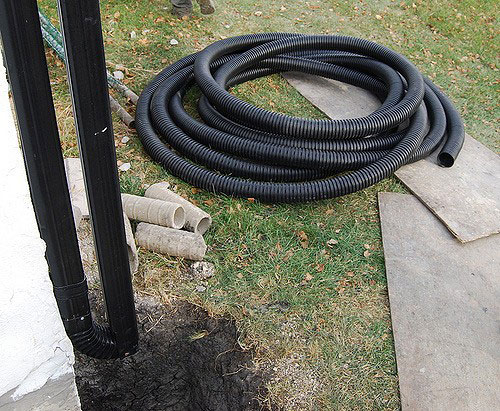
Exterior systems aim to keep water out of the wall. The contractor excavates to footing depth, cleans the wall, repairs cracks, and applies a proper elastomeric membrane. Many add a dimpled drainage board to protect the membrane and create an air gap, then install new perforated weeping tile wrapped in filter fabric at the footings, sloped to drain to a sump or storm outlet. Washed stone backfill improves flow. Done right, this addresses the source and protects the structure. It requires room to work and costs more in the short term, but tends to be the long life solution.
Interior systems manage water that has already reached the wall or under the slab. The crew cuts a narrow trench around the interior perimeter, installs perforated pipe and stone, and directs water to a sump pit, which discharges to grade away from the house. A wall membrane can channel seepage down to the drain. This method relieves hydrostatic pressure beneath the slab without digging outside. It will not stop exterior wall saturation, so in deep freezes you might still see some seasonal movement in block walls. As a practical measure, it often solves the wet basement London Ontario homeowners fight with older, tight-lot properties.
Crack repair with epoxy or polyurethane injection works for tight, defined cracks in poured concrete walls when there is no widespread drainage failure. Epoxy welds the crack structurally. Polyurethane foams and expands, sealing active leaks. In block walls, which are hollow and jointed, point repairs seldom solve a system-wide problem, though tuck pointing and parging can help with maintenance.
Complementary measures matter, often more than people expect. Grading, downspout extensions, properly drained window wells with clear stone and a vertical drain to the weeping tile, and sealing penetrations where gas lines or cables enter will prevent half the leaks I see. Inside, proper dehumidification in summer keeps humidity under 50 percent and prevents condensation on cold surfaces that can look like leaks.
Foundation repair in the real world
Water and structure interact. Long-term moisture against a wall invites more than stains. It increases lateral load, especially when clay swells. That is where foundation repair comes in. In London, I see three common structural scenarios tied to moisture.
The first is bowing or bulging block walls. The wall may be an inch out of plumb across an eight foot height, with mortar joints stair-stepping. If caught early, carbon fiber straps or interior braces can restrain further movement after exterior drainage is corrected. If movement exceeds code thresholds or shear cracks widen, partial rebuilds might be required along with proper exterior waterproofing. Any foundation repair London Ontario homeowners consider should start with a structural assessment when measurable movement is present.
The second is settlement at corners where downspouts have drained for years. The soil softens, footings lose support, and cracks open at the window corners. Helical piers or push piers can transfer load to competent soil or bedrock. Once load is stabilized, waterproofing is addressed. Fixing the structure first prevents chasing leaks that move with the wall.
The third is slab heave or differential settlement. Basements with swelling subgrade can push slabs upward, opening the floor-wall joint and creating a pathway for water. In that case, a pressure relief interior drain and control cuts in the slab help manage movement. Full slab replacement is a rare last step when heave damages utilities or finishes extensively.
Health, finishes, and what to do with mold
Moisture breeds mold on paper-faced drywall, wood baseboards, and carpet underlay. Most growth appears within 48 to 72 hours if materials stay wet. If a leak is small and recent, you can usually remove affected finishes back to at least 30 centimeters past visible damage, dry the framing to below 16 percent moisture, and rebuild with mold-resistant drywall or cement board in sensitive areas. Dehumidifiers do not fix soggy walls, but they are essential during drying.
For larger or repeated wetting, especially in finished basements, bring in a remediation contractor to contain and clean. Bleach on porous materials does less than most think and can damage fibers. Once mold is dealt with, the moisture source must be solved. That is the part too many skip.
The right order of operations
Jumping straight to a big-ticket system without basics is a common mistake. Even when a full interior or exterior system is justified, there is a logic to how you proceed. Here is a practical sequence that balances cost with impact.
- Control roof water: extend downspouts 2 to 3 meters, clean eavestroughs, fix leaks
- Correct grading: establish 2 to 3 percent slope for at least 2 meters from the foundation
- Diagnose: observe during rain, test sump pump, inspect weeping tile if accessible
- Choose system: exterior waterproofing for wall saturation and high exterior access, interior drain/sump for hydrostatic pressure under slab or limited access sites
- Protect finishes: install proper dehumidification, choose moisture-tolerant materials, add backwater valve if sewer backup risk exists
That list may look simple, but skipping the first two steps has doomed many expensive systems.
Interior or exterior: making the call
Clients often ask for a neat rule. The truth is, site constraints and your risk tolerance decide as much as the water pattern. If the yard has room, the wall is accessible, and you plan to be in the home long term, exterior excavation with new weeping tile and membrane remains the gold standard for basement waterproofing. It addresses capillary intrusion through the wall, protects from freeze-thaw spalling, and lowers moisture load on the structure.
If your driveway is tight, neighbors are close, or you have established landscaping you do not want to disturb, an interior perimeter drain with a reliable sump pump can be the right investment. It relieves hydrostatic pressure, dries the slab edge, and pairs well with finished spaces where you want control regardless of what the city storm system is doing. I have retrofitted interior systems in 1950s homes with chronic seepage and delivered bone-dry floors, even during the worst late summer storms.
In poured walls with one or two tight leaks, a crack injection is the surgical option. For homeowners selling within a few years, it might make financial sense provided the rest of the drainage performs. In block walls with widespread seepage, a comprehensive system is almost always necessary.
Sump pumps and power outages
A sump pump is only as useful as its ability to run during a storm. In London, summer thunderstorms can trip breakers or knock out power for an hour. A battery backup system with a second pump is cheap insurance, and some systems now include simple text alerts if water rises above a set point. The discharge line needs a check valve, proper insulation to prevent freezing near the exterior, and a termination point well away from the foundation or tied to an approved storm line. Discharging onto a driveway that slopes back to the house is a loop I see too often.
Testing matters. Pour water into the sump until the float engages. Listen for vibration or grinding. If the pump is more than seven to ten years old, consider proactive replacement. Keep a spare check valve and hose clamps on hand. A one hour visit before the rainy season can prevent a five figure insurance claim.
Windows, wells, and small openings that leak like big ones
Basement windows are notorious leak points. The well should sit on compacted soil, with the bottom at least 10 to 15 centimeters below the sill. A vertical drain pipe, wrapped in filter fabric and filled with clean stone, should carry water down to the weeping tile. Without this, window wells turn into bathtubs. Surface covers help with wind-driven rain, but they are not a substitute for drainage. Reseal the window frame to wall joint with a proper exterior-grade sealant, and check that the steel or plastic well is tight to the wall, not leaving gaps for water to run behind.
Utility penetrations are small but mighty culprits. Where gas, electrical, or cable lines enter, the original sealant hardens and cracks. Tool in fresh polyurethane or hybrid sealant around those sleeves. Inside, foam gaskets around penetrations slow air leakage that can drive moist air to condense on cool surfaces.
Insurance, warranties, and what to ask a contractor
Water claims are some of the messiest with insurers. In many policies, groundwater seepage is excluded, while sudden plumbing failures are covered. Sewer backup coverage is often an extra rider. Before starting major work, call your broker and clarify your coverage, then decide if a backwater valve or sump improvements could reduce your risk rating.
When seeking basement waterproofing London Ontario services, vet contractors carefully. Ask for recent local addresses you can drive by. Verify WSIB and liability insurance. A transferable warranty is only as good as the company’s lifespan, so look for firms with at least five to ten years in business under the same name. Ask how they handle utilities, especially if digging. Ontario One Call locates are mandatory before excavation. For interior systems, get details on the pump make, capacity in gallons per hour at a realistic head height, and battery backup spec.
Pricing transparency is a good sign. A legitimate company will measure linear footage, note depth, and itemize extras like window well drains or cold room treatment. If a salesperson diagnoses everything through a quick glance and a scripted pitch, press for details or get a second opinion. Foundation repair London Ontario projects deserve the same rigor as any structural work.
Materials and choices that pay off
Not all membranes, tiles, and aggregates are equal. A true waterproofing membrane should be elastomeric and remain flexible at low temperatures. Peel-and-stick membranes paired with a dimple board protect against backfill damage. Perforated weeping tile belongs at the footing, set in washed stone with proper filter fabric, not directly in clay. Avoid fine, compactable soils against the wall during backfill. Place native soils farther from the wall and finish with topsoil for grading.
Inside, choose a high quality sump basin with a tight lid. Lids reduce humidity and odor and are safer for kids and pets. Use a rigid PVC discharge, not a flex hose that can sag. Consider a quiet check valve to avoid the water hammer thump that drives people to unplug pumps. For finished floors, prefer luxury vinyl plank with a rigid core and a thermal break underlayment over carpet. Tile works, but keep a decoupling membrane to accommodate minor slab movement.
When a small fix is enough
I have seen homeowners spend thousands when a simple change would have solved the problem. A bungalow in Old South had a chronic damp patch below a corner TV stand. Two downspouts fed that corner, both dumping onto a flat, mulched bed that sloped in. We added a 3 meter extension on one spout and regraded two wheelbarrows of soil to create fall away from the wall. The damp patch never returned, even during a fall deluge. That job cost less than a nice dinner for four.
Another family in a 1970s split-level had seepage at one hairline crack. We confirmed it only wetted during driving rain on the west wall. A polyurethane injection from inside, plus new caulking around a vent, ended it. No need to trench the entire side of the home.
When you should not wait
There are also times to act fast. If a block wall shows fresh shear cracks with measurable movement over a single season, get a structural review and temporary bracing while you schedule exterior drainage and wall reinforcement. If water wells up from a floor drain during storms, install a backwater valve to protect your home and the city sewer from cross contamination. If your sump pit rises but the pump does not engage, do not wait for the next storm cycle to test it.

Persistent wetness along the floor-wall joint points to hydrostatic pressure that will not go away on its own. Repeated bleach cleanings and paint touch-ups hide symptoms. A permanent interior drain or exterior fix pays for itself when you count saved flooring, reduced humidity, and less time wiping up after weather.
Tying it together for your home
Every wet basement London Ontario homeowner faces is its own blend of site, structure, and water dynamics. The right answer rises from careful observation and a willingness to start with basics before authorizing heavy work. In many cases, a layered approach wins. Correct the downspouts and grading. Seal obvious penetrations. If seepage persists, decide between exterior waterproofing or an interior perimeter drain based on access and goals. Where structure shows distress, pair drainage work with appropriate foundation repair.
Most important, demand solutions that match the problem you can see and the water you can measure. A dry basement is not a miracle. It is the result of controlling where water goes, relieving the pressure that drives it inside, and giving it a reliable path away from your home. Done well, you protect the foundation, keep finishes intact, and reclaim space that should have always felt comfortable.
Ashworth Drainage — Business Info (NAP)
Name: Ashworth DrainageAddress: 514 Hale St, London, ON N5W 1G8
Phone: (519) 660-9375
Website: https://www.ashworthdrainage.ca/
Email: [email protected]
Hours:
Monday: 9:00 AM – 5:00 PM
Tuesday: 9:00 AM – 5:00 PM
Wednesday: 9:00 AM – 5:00 PM
Thursday: 9:00 AM – 5:00 PM
Friday: 9:00 AM – 5:00 PM
Saturday: Closed
Sunday: Closed
Open-location code (Plus Code): XRR3+HV London, Ontario
Map/listing URL: https://maps.app.goo.gl/9kaoXAxRtJRP1ThS9
Embed iframe:
Socials (canonical https URLs):
Facebook: https://www.facebook.com/ashworthdrainage/
X: https://twitter.com/ashworthrules
Instagram: https://www.instagram.com/ashworthdrainage/
https://www.ashworthdrainage.ca/
Ashworth Drainage provides basement waterproofing and foundation repair services in London, Ontario and surrounding areas in Southwestern Ontario.
The company helps homeowners address wet basements, water intrusion, and drainage issues with solutions that fit the property’s conditions.
Service requests can include foundation repair, waterproofing options, sump pump and drainage-related work, and related assessments.
Ashworth Drainage is based at 514 Hale St, London, ON N5W 1G8.
To reach the team, call (519) 660-9375 or email [email protected].
Business hours are Monday to Friday 9:00 AM–5:00 PM, with the office closed Saturday and Sunday.
For directions and listing details, use the map listing: https://maps.app.goo.gl/9kaoXAxRtJRP1ThS9.
Popular Questions About Ashworth Drainage
What does basement waterproofing help prevent?Basement waterproofing is intended to reduce water intrusion and moisture problems that can lead to dampness, leaks, odors, and damage over time.
How do I know if I may need foundation repair?
Common signs can include visible cracks, water seepage, shifting or uneven areas, or recurring moisture problems; an on-site assessment is usually the best way to confirm causes and options.
What areas does Ashworth Drainage serve?
Ashworth Drainage serves London, Ontario and surrounding areas in Southwestern Ontario.
What are Ashworth Drainage’s hours?
Monday–Friday 9:00 AM–5:00 PM; Saturday closed; Sunday closed.
How can I contact Ashworth Drainage?
Phone: +1-519-660-9375
Email: [email protected]
Website: https://www.ashworthdrainage.ca/
Map: https://maps.app.goo.gl/9kaoXAxRtJRP1ThS9
Facebook: https://www.facebook.com/ashworthdrainage/
X: https://twitter.com/ashworthrules
Instagram: https://www.instagram.com/ashworthdrainage/
Landmarks Near London, ON
1) Kiwanis Park2) Western Fair District
3) Covent Garden Market
4) Victoria Park
5) Budweiser Gardens
6) Museum London
7) Fanshawe Conservation Area