Wet Basement London, Ontario: DIY Fixes vs. Professional Help
A wet basement in London, Ontario has its own rhythm. Snowmelt in late winter, spring storms that dump a month’s worth of rain in a weekend, and clay-rich soils that hold water like a sponge. Add older homes with fieldstone or brick foundations in Old South and Woodfield, and newer subdivisions in the northwest built near former wetlands, and you have a city that tests every foundation over time. I have crawled through enough cold, damp basements here to know that the fix is rarely one thing. It is usually a chain of small decisions, each grounded in how water moves across and under your lot.
The real judgment call for most homeowners is where DIY ends and professional help begins. Spend a little time triaging the situation correctly, and you can save thousands. Push a DIY fix too far, and you risk structural movement, chronic mold, or both.
Why basements get wet in London
Start with the soil and water table. Much of London sits on silty clay till. Clay swells when wet and shrinks when dry, which means it can push on foundation walls and wet basement london ontario also hold water against them. During freeze-thaw cycles, that pressure intensifies. In heavier rain events, surface water can overtop window wells, infiltrate through mortar joints, or follow a downspout discharge right back to the footing.
Hydrostatic pressure is a different beast. When the ground around your footing is saturated, water seeks the path of least resistance, often through hairline cracks, cold joints, or tie-rod holes in poured concrete walls. Perimeter drains, often called weeping tiles, are supposed to relieve that pressure by carrying water to a sump pit or storm connection. On older homes, those clay or corrugated drains clog or collapse. On newer builds, they can still silt up if not installed with proper filter fabric and cleanouts.
There are other culprits that masquerade as foundation leaks. Condensation on cool slab surfaces in humid summers can leave puddles. A pinhole leak in a copper line drops a bead of water that spreads like a crime scene. During big storms, sewer backups can force water up through floor drains. Sorting these sources is the first real job.
First 24 hours: the smart homeowner’s triage
- Make it safe first. Kill power to any circuits serving wet areas and keep clear of standing water near outlets or appliances.
- Stop the active water if possible. Turn off the main if a pipe is leaking, cap an overflowing floor drain, or cover a window well with a plastic sheet and a piece of plywood until the storm passes.
- Document with photos. Capture where water comes in, not just where it ends up.
- Pull back any finished materials. Carefully remove baseboards, lift carpet edges, and peel back a section of vapour barrier to see the wall behind it.
- Start drying right away. Set up fans and a dehumidifier, and cut out and dispose of wet drywall below the waterline to prevent mold.
That sequence keeps small problems small. I have seen homeowners spend days debating causes while carpet pad turned into a musty sponge. Forty-eight hours is a rough window before mold takes root on cellulose-based materials.
Pinpointing the source without tearing your house apart
Diagnosing water migration is a mix of observation and simple tests. If the leak shows up during or right after a rainfall, suspect exterior sources. Track stains that begin at the top of the wall, often near a window buck or sill plate, to find a flashing failure or an overflowing window well. If the moisture line appears low along the cove joint where wall meets slab, and the sump pit is quiet or absent, hydrostatic pressure is likely. Water that appears regardless of weather, especially on a plumbing wall, deserves a pressure test on the domestic lines and a look at the water heater fittings.
Condensation fools many people, especially in July and August when outside air carries more moisture than the cool basement slab can absorb. Tape a square of plastic to the floor for 24 hours. If the underside is wet, you likely have vapour drive from beneath. If the top is wet, the interior air is condensing. Dehumidification and air sealing change that story faster than paint.
Sewer backup has its own clues. Musty water with debris emerging from a floor drain or shower receptor after a downpour points to a surcharged sanitary or combined line. That is not a foundation leak, and it belongs in the pro category because it often involves a backwater valve, plumbing permits, and coordination with the City of London.
Sensible DIY fixes that actually move the needle
I rarely talk anyone into an interior waterproofing system until they have handled surface water. Most basements in London benefit from what I call the big four: grading, gutters, downspouts, and discharge.
Regrade the perimeter so that you have at least a gentle 2 to 3 percent slope away from the house for the first two metres. That does not mean a dramatic berm. It means adding or reshaping topsoil so rain moves away from the foundation. Use clayey fill beneath topsoil to shed water rather than hold it. Watch for interference from walkways and patios that tilt toward the wall. Tilt them back or add a sawcut and a drain strip.
Clean and extend the gutters and downspouts. A single inch of rain on a 1,500 square foot roof can release close to 900 gallons. If your downspouts drop right at the corner, you are pumping a bathtub’s worth of water into your footing trench. Extensions that reach 3 to 4 metres out, with a gentle slope and a splash pad, do more for a wet basement than any can of sealer. In older London neighborhoods with tree canopy, schedule gutter cleaning in late spring and again in late fall.
Window wells need covers and drains that actually drain. Clear out leaves and silt, add clean gravel, and check that the well has a vertical drain tied into the weeping tile or a free-draining pit below frost. If it does not, adding a dry well may help, provided the soil onsite allows infiltration.
Dehumidification is a quiet workhorse in this climate. Keep the basement at 45 to 55 percent relative humidity in summer. Set the unit to drain continuously into a sump or a condensate pump to avoid bucket fatigue. Seal obvious air leaks around rim joists with rigid foam and sealant. You will cut condensation, reduce musty odours, and make any waterproofing system you choose later more effective.
Small crack injections can be a viable DIY for poured concrete walls. Hairline vertical cracks that do not widen or displace can be sealed with low-pressure polyurethane kits. Work slow. Clean the crack, set ports every 15 to 20 centimetres, and inject from the bottom up. If a crack shows rust stains, horizontal orientation, or stepped patterns in block walls, stop. Those are structural signs that need more than caulk and hope.
Sump pump maintenance lives in the simple column as well. Lift the lid, clear the pit, test the float, and verify that the discharge line is not frozen or blocked where it exits the wall. Consider a battery backup to keep the pump running during storms that knock out power. In this region, a good deep-cycle setup can buy you 6 to 10 hours, long enough to bridge most outages.
Interior paints and coatings have a place but are often oversold. They can slow vapour transmission and make a space feel cleaner. They do not hold back liquid water under pressure. Use them as part of an overall basement waterproofing plan, not as a standalone cure.
Red flags that call for a professional
Some situations in London basements carry more risk than a weekend fix deserves. Lateral movement in foundation waterproofing london on block walls, measurable as even a few millimetres of bowing, needs structural evaluation. Horizontal cracks in the middle third of a wall, especially paired with stair-stepped cracks in the corners, signal soil pressure, not just a cosmetic problem. Rebar stains on poured walls hint at corrosion. A slab that heaves or sinks points to subgrade issues that can telegraph through the structure.
If water pulses through the cove joint or rises through cracks in the slab during storms, you are dealing with hydrostatic pressure. That is a systems problem. It generally requires a perimeter drain, either interior or exterior, married to a reliable discharge path. It is not a case for a tube of sealant.
Sewer backups and wet basements often arrive in the same storm. Installing a backwater valve or separating footing drains from a sanitary line is skilled plumbing. It may be eligible for local grants, and it almost certainly needs a permit. Homeowners can do site prep, but valve selection and connection details are best left to a licensed plumber who knows London’s standards.
Large mold growth, particularly anything beyond a few square feet, should be contained and handled by a remediation contractor following accepted guidelines. That usually means negative air, HEPA filtration, and removal of porous materials. If you smell strong mustiness but cannot find the source, that is another time to call in a pro with moisture meters and an infrared camera.
Finally, if your fix requires digging below the footing, shoring, or underpinning, bring in a foundation contractor. Excavation next to a loaded wall is not the place to learn.
What professional waterproofing really involves
People call and ask for basement waterproofing in London, Ontario as if it is a single product. In practice, contractors assemble a system from proven parts, tuned to your house and soil.
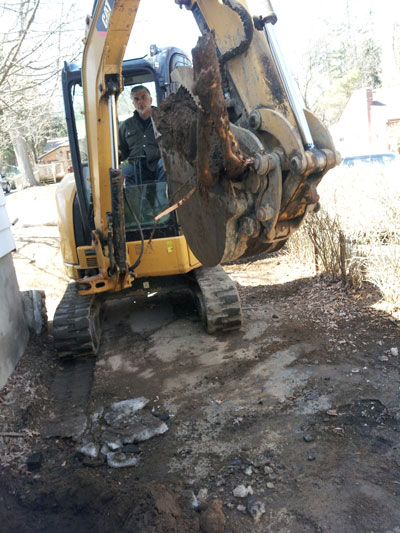
Exterior excavation and membrane systems are thorough. A crew will dig to the footing, typically 6 to 8 feet down around the leaking walls. They clean the wall, seal cracks, apply a flexible membrane or elastomeric coating, and in many cases add a dimpled drainage board that creates a capillary break. New weeping tile is laid at the footing elevation, wrapped in filter fabric, and bedded in washed stone. The line drains to a sump or a municipal storm connection if available and allowed. This approach keeps water out of the wall altogether. It is disruptive and seasonal. Expect costs that often range from a few hundred dollars per linear foot for straightforward access to much higher where decks, driveways, or landscaping complicate the dig.
Interior drain and sump systems intercept water after it reaches the inside. The crew cuts and removes a narrow strip of slab around the perimeter, drills the bottom of block walls to relieve trapped water, lays a perforated drain tile in washed stone, and ties it into a sealed sump pit. A vapor barrier or cove detail directs wall seepage into the channel. This method is less disruptive to landscaping, can be installed year round, and can be paired with dehumidification and radon rough-ins. Costs vary by linear footage and obstructions. On a typical London bungalow, homeowners often see ranges in the low to mid five figures for a complete interior system with a quality pump and battery backup.
Crack injection at a professional level goes beyond the homeowner kit. Epoxy injection can restore structural continuity to some poured wall cracks, while polyurethane foams excel at sealing actively leaking joints. The technician sets ports and injects at controlled pressures. When done correctly, these repairs last many years. They are not appropriate for block walls or for cracks with ongoing movement.
Structural reinforcement for bowed walls has several routes. Carbon fiber straps, epoxied to the wall and anchored at the sill, can stabilize modest deflection. Steel I-beams set against the wall and tied into the floor system handle more severe cases. In extreme situations involving footing movement or settlement, helical piles or push piers transfer loads to more competent soils. Foundation repair in London, Ontario is mature enough that you will find contractors experienced with each option. Ask them to show you where in the city they have done similar work, not just glossy photos from elsewhere.
If sewer surcharge is part of your story, a licensed plumber can install a backwater valve and, if appropriate, disconnect weeping tiles from the sanitary line. This reduces the chance of sewage entering the basement during heavy storms. Some homeowners also add a sump and direct footing drains to it, removing that load from the sanitary side entirely.
Costs, timing, and what the seasons allow
London’s construction calendar matters. Exterior excavation and foundation coatings are best from late spring through early fall when the ground is not frozen and rain is less persistent. Crews can and do work in shoulder seasons, but wet clay walls are messy, and compaction is harder to achieve. If you uncover a major exterior issue in January, temporary interior measures, sump upgrades, and dehumidification can bridge you until proper weather returns.
Interior drain systems and crack repairs can happen any time. Lead times in spring after a wet spell can stretch. If your basement is wet in March, make calls now, not in May when every contractor’s phone is ringing.
Costs are always site specific, but a rough sense helps with planning. Modest exterior grading and downspout work is often within a few hundred dollars in materials if you do it yourself. Professional regrading with equipment can reach into the low thousands, especially if hardscaping needs to shift. Interior drain systems usually run by linear footage installed and by complexity, with battery-backed sump systems adding to the ticket. Exterior membrane and weeping tile replacement around a whole house is a project-scale investment. Structural reinforcement is often priced per strap or beam installed, with the count driven by wall length and deflection.
Treat online calculators as starting points. If a quote seems very low, read the scope carefully. Does it include proper discharge, sealed sump lids, electrical for pumps, and restoration of the slab with control joints? A cheaper system without those pieces is not a comparable solution.
Permits, bylaws, and programs worth checking
Work that changes your plumbing, sewer connections, or foundation structure usually requires permits. In London, a backwater valve installation and sump discharge routing both fall under the plumbing code. Structural work on a foundation wall may need engineered drawings and a building permit. Inspectors are not there to slow you down. They watch for proper slopes, venting, and safe tie-ins that protect your home and the city’s systems.
Municipal programs change over time. London has at various points offered grants or rebates to help with basement flooding protection, such as backwater valves and sump systems. The program details, caps, and eligibility shift, and some years funding pauses. Before you commit to work, check the City of London website or call the city’s service line to confirm current options. Some insurers also offer premium discounts for documented mitigation like a backwater valve or monitored sump system. Document your upgrades.
If your property is near conservation lands or floodplains tied to the Thames River or local creeks, additional rules may apply. Ask your contractor whether any conservation authority approvals are needed before excavation.
Three London basements, three different lessons
In a Masonville two-storey with a finished basement, water stains appeared on the carpet near a back corner after every storm. The homeowner had already tried an interior sealer with no change. Standing outside in rain made the cause obvious. Two downspouts converged at that corner and discharged into a shallow bed that sloped slightly toward the house. We regraded two metres out, split the downspouts so each ran to a different side yard, and extended them to daylight. No saw cuts, no pumps, just water directed away. Years later, that corner remains dry.
A century home in Old South with a stone foundation had musty odors and flaking paint. Infrared showed cooler horizontal bands at the sill, but no active water streams. The fix was not a trench and tile. We removed the interior parging where it trapped moisture, repointed loose mortar with a lime-based mix, added a capillary break at the sill, and installed a continuous dehumidifier set to 50 percent. The basement now breathes and dries. That owner still checks during storms and keeps gutters clean like it is a religion.
A split-level in Westmount had water bubbling through the cove joint during thunderstorms. The sump pit was dry. A camera scope of the original clay weeping tile found collapses and roots. The appropriate fix was an interior perimeter drain tied into a new sealed sump with a battery backup, plus a backwater valve on the sanitary line. We also rerouted the sump discharge to a proper outlet that would not recycle back toward the house. The first storm after the install, the pump cycled during peak rainfall while the floor stayed dry. Hydrostatic pressure needs a place to go.
Choosing the right contractor without getting sold
The waterproofing and foundation repair market can feel like a carnival. Slick pitches, scare tactics, and one-size-fits-all systems are common. You want someone who starts with diagnosis, not with a catalogue. The best first meeting feels like a site walk with a builder friend who points out grade issues, checks gutter lines, and asks how the leaks change with weather.
A few practical checks help you separate steady hands from hard sellers.
- Ask them to explain the water path in plain language for your specific house, from source to exit.
- Request references nearby, ideally within London, and drive by if exterior work is proposed.
- Confirm insurance, WSIB coverage, and that permits will be pulled under their name when required.
- Compare scopes, not just prices. Look for discharge details, sump lids, battery backup specs, and restoration commitments.
- Push for root-cause fixes first. If a contractor jumps straight to interior drains without addressing obvious surface water, be cautious.
Do not ignore your instincts. If a salesperson needs you to sign on the spot for a “today only” deal, you are financing their quota, not your home’s long-term health.
Where DIY maintenance pays off year after year
Even with a professional system installed, a dry basement is not set-and-forget. Keep extensions attached before major storms and pointed to daylight, not toward your neighbor’s foundation. Walk the perimeter a couple of times a year to spot low spots where soil settled and add topsoil to reestablish slope. Clean gutters in late spring after the pollen drop and again in fall after the leaves, more often if you are under big maples.
Test your sump twice a year. Lift the float to trigger the pump, confirm the check valve keeps water from backflowing, and listen outside for the discharge. If you have a battery backup, simulate a power outage and ensure it runs. Replace batteries on schedule, not after a failure.
Inside, watch for smell and silence. If you use a dehumidifier, keep the condenser coils clean with a soft brush. Vacuum dust off the drain channel openings if you have an interior system. Small habits like these keep the system balanced.
The right fix for the right house
Basement waterproofing in London, Ontario is not a product, it is a strategy tuned to your soil, house age, and how water moves across your lot. Handle the simple, high-leverage items first. Many wet basement problems here disappear with better grading, extended downspouts, clear window wells, and steady dehumidification. When active leaks trace to hydrostatic pressure, old or failed drains, or structural movement, reach for professional help. Foundation repair in London, Ontario has enough depth that you can find firms who diagnose before they prescribe, and who will tailor an exterior membrane, interior drain, or reinforcement plan to your home rather than to their truck inventory.
The payoff is more than a dry floor. A healthy basement smells clean, stores what you need without worry, and keeps the structure above it steady. Do the small steps right, ask sharp questions when the stakes rise, and treat water as the opponent that never sleeps. That is how you win the long game under your feet.
Ashworth Drainage — Business Info (NAP)
Name: Ashworth DrainageAddress: 514 Hale St, London, ON N5W 1G8
Phone: (519) 660-9375
Website: https://www.ashworthdrainage.ca/
Email: [email protected]
Hours:
Monday: 9:00 AM – 5:00 PM
Tuesday: 9:00 AM – 5:00 PM
Wednesday: 9:00 AM – 5:00 PM
Thursday: 9:00 AM – 5:00 PM
Friday: 9:00 AM – 5:00 PM
Saturday: Closed
Sunday: Closed
Open-location code (Plus Code): XRR3+HV London, Ontario
Map/listing URL: https://maps.app.goo.gl/9kaoXAxRtJRP1ThS9
Embed iframe:
Socials (canonical https URLs):
Facebook: https://www.facebook.com/ashworthdrainage/
X: https://twitter.com/ashworthrules
Instagram: https://www.instagram.com/ashworthdrainage/
https://www.ashworthdrainage.ca/
Ashworth Drainage provides basement waterproofing and foundation repair services in London, Ontario and surrounding areas in Southwestern Ontario.
The company helps homeowners address wet basements, water intrusion, and drainage issues with solutions that fit the property’s conditions.
Service requests can include foundation repair, waterproofing options, sump pump and drainage-related work, and related assessments.
Ashworth Drainage is based at 514 Hale St, London, ON N5W 1G8.
To reach the team, call (519) 660-9375 or email [email protected].
Business hours are Monday to Friday 9:00 AM–5:00 PM, with the office closed Saturday and Sunday.
For directions and listing details, use the map listing: https://maps.app.goo.gl/9kaoXAxRtJRP1ThS9.
Popular Questions About Ashworth Drainage
What does basement waterproofing help prevent?Basement waterproofing is intended to reduce water intrusion and moisture problems that can lead to dampness, leaks, odors, and damage over time.
How do I know if I may need foundation repair?
Common signs can include visible cracks, water seepage, shifting or uneven areas, or recurring moisture problems; an on-site assessment is usually the best way to confirm causes and options.
What areas does Ashworth Drainage serve?
Ashworth Drainage serves London, Ontario and surrounding areas in Southwestern Ontario.
What are Ashworth Drainage’s hours?
Monday–Friday 9:00 AM–5:00 PM; Saturday closed; Sunday closed.
How can I contact Ashworth Drainage?
Phone: +1-519-660-9375
Email: [email protected]
Website: https://www.ashworthdrainage.ca/
Map: https://maps.app.goo.gl/9kaoXAxRtJRP1ThS9
Facebook: https://www.facebook.com/ashworthdrainage/
X: https://twitter.com/ashworthrules
Instagram: https://www.instagram.com/ashworthdrainage/
Landmarks Near London, ON
1) Kiwanis Park2) Western Fair District
3) Covent Garden Market
4) Victoria Park
5) Budweiser Gardens
6) Museum London
7) Fanshawe Conservation Area