French Drains for New Builds in London, Ontario: What Builders Need to Know
Builders around London learn early that water will find any weakness. The city sits on glacial till with seams of clay and silt, and storm events tend to arrive in bursts. https://hectorlctg209.image-perth.org/french-drains-for-clay-soil-in-london-ontario-design-tips-that-work-1 Combine that with long freeze-thaw cycles, and you have a recipe for hydrostatic pressure at the foundation and soft spots in yards that never quite dry out. Get the drainage right during construction and the home feels tight, the slab stays stable, and the homeowner never calls about a musty smell in the basement. Get it wrong and you own callbacks, remedial digs, and reputational drag.
This piece distills the practical decisions that matter when specifying and installing french drains for new housing in London. It covers footing drains, yard drains, and the gray area where the two meet. It references local practice and the Ontario Building Code, and it surfaces field lessons that do not show up on standard details.
Start with the ground you actually have
London’s subsoils are not uniform. In northwest subdivisions near former farm fields, you can hit dense clay within the first spade. South of the Thames River, there are pockets where a sandy layer sits over tight subgrade, which tricks you into thinking the lot drains until the sand saturates. Builders who treat all sites the same spend more on gravel, pumps, and labor than they need to, and sometimes still lose.
Two quick checks during excavation often set the tone for the whole drainage plan. First, after you reach design footing grade, look at the cut walls for clean water seeps. If you have water issuing from a seam for more than two hours after rain, your perimeter system must be free draining and robust, not just code minimum. Second, feel the subgrade. If a footprint leaves imprintable mud on your boot after 24 hours of dry weather, assume slow percolation and design for storage and controlled discharge.
Local grading standards help but do not replace empirical observation. The City of London’s lot grading approvals establish swales, rear yard catch basins in some blocks, and finish elevations, yet the soil makes or breaks the performance of any french drains or weeping tiles you install. A little field judgment goes farther than a thick spec book.
Footing drains are not optional in clay country
Around here, “french drain” gets used loosely. Homeowners might point to a gravel-filled trench and call it a french drain. Inspectors and drainage contractors tend to mean a perforated pipe in gravel with a filter fabric envelope. For foundation protection, think footing drains first, sometimes called weeping tile. The term lives on from the days of clay tile, but the functionality remains the same.
If you build basements or slabs-on-grade with frost walls, a perimeter weeping tile system belongs at or just below the top of footing elevation. In London’s soils, the code minimum 100 mm perforated pipe works if supported by the right stone and fabric, but the installation details are what decide performance. I have watched new homes with perfect pipe fail because the gravel clogged with fines during backfill. I have also seen undersized pipe run dry thanks to a clean envelope and correct slopes.
Expect the frost depth to drive excavation timing and compaction plans. The local frost line sits near 1.2 m, and late fall backfills can be unforgiving if trenches sit open and wet before bedding goes in. When clay shoulders slump into the trench, crews often rush and contaminate the aggregate. That decision returns months later as a damp wall.
Pipe, stone, and fabric: what holds up on London sites
The typical assembly that works across most of London uses these elements. Pipe size at 100 mm, corrugated or rigid. Corrugated black HDPE is quick to lay and forgiving around corners. Rigid PVC SDR-35 gives a more predictable slope and resists deformation under heavy construction traffic. In tight clay, rigid pipe tends to keep its grade better.
Stone size at 19 mm clear limestone or equivalent, wrapping the pipe with at least 150 mm under and 300 mm over, and extending a minimum of 300 mm out from the wall. Avoid crusher run or any fines near the drain envelope. Stone volume is cheap compared to excavation and callbacks.
Filter barriers with non-woven geotextile matter in this region. A 4 to 8 oz non-woven fabric wrapping the full envelope keeps migrating fines out of the stone. Sock-wrapped perforated pipe is useful insurance, but on its own it does not protect the surrounding stone from fines if the backfill is silty. For a belt-and-suspenders approach, use both a pipe sock and an envelope wrap. There are lots where the sock alone has lasted, but the failures all have one thing in common, silt-laden backfill without an envelope wrap.
Slope matters but do not overthink it. A consistent fall of 0.5 to 1 percent to a sump or daylight point is ideal. On small sides of a house, a dead-level run with even bedding can be acceptable if the downstream leg carries the fall. The performance gain comes more from clean stone and free outlets than from chasing a perfect slope on every meter.
Add cleanouts at the far corners. A stub of vertical pipe with a cap, or a riser off a tee, makes flushing possible without digging. When tree roots or iron ochre show up, cleanouts save hours.
Discharge strategy: daylight, sump, or both
Perimeter drainage that cannot discharge is a bathtub with a leak. During design and rough grading, draw the outlet plan on paper and on the ground. London subdivisions vary in their acceptance of daylighting to swales. Some blocks have rear yard catch basins intended to receive foundation drains. Others prohibit direct connection and require a sump pump discharging to grade. Confirm the subdivision agreement and the City’s stormwater management requirements for that phase. When in doubt, ask the municipal inspector before framing starts, not after drywall is up.
Daylighting works best when you can maintain positive slope to a protected outlet, and you can armor the outlet against erosion. In practice, that means finding at least 300 mm of fall from the footing drain outlet to the swale invert within the lot. If your topo shows less, assume you need a sump. Where daylight is allowed, use a rodent screen and a concrete splash pad or riprap apron at the outlet. Keep it outside any fence line to allow maintenance.
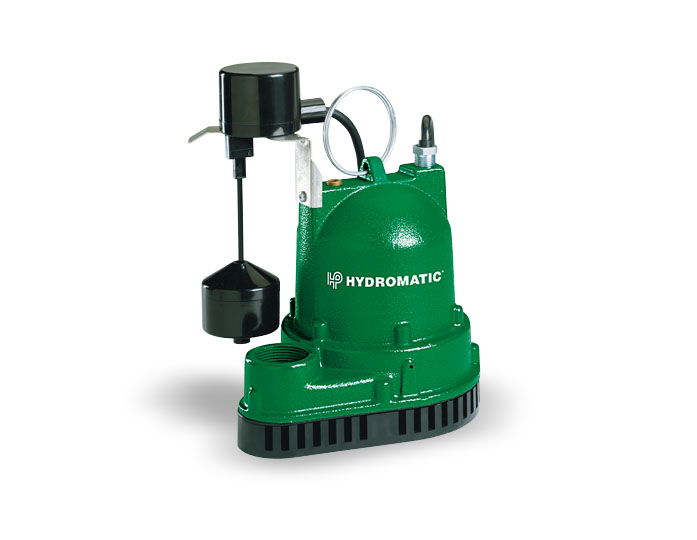
Sumps and pumps are the London default for many lots. Keep the sump basin large enough to reduce cycling, typically a 200 to 300 liter basin for a detached home. Locate it where a homeowner can access it without moving a furnace. A quiet three-quarter horsepower pump with a vertical float switch performs more reliably than side floats in tight pits. Plumb the discharge in rigid PVC with an accessible check valve. Insulate the discharge line that passes through conditioned space and provide a slight fall to an exterior freeze point to avoid winter surprises. Where the City requires discharge to grade, carry it to a surface splash away from walks that would become skating rinks in January.
Battery backup or water-powered backup pumps are not mandated by code, but they are cheap insurance in neighborhoods with frequent power blips. For Tarion warranty protection, anything that reduces the chance of water entry helps. A backup system costs a fraction of a finished basement repair.
Beyond the foundation: yard drains that actually dry lawns
Backyard drainage in London, Ontario is a cottage industry on its own because many lots converge at the back corner, and the heavy soils do not infiltrate quickly. Once sod is down and fences are up, cutting in a yard drain system is messy and expensive. If you build the house, you control grading while machines are already on site. This is the window to add surface drainage and shallow french drains that move water to planned low points.
Two pieces make the yard work. Surface grading to carry water to a destination, and sub-surface drains to intercept it before it ponds. The lot grading plan sets the grades, but execution decides the end state. Small errors in subgrade elevation, especially near side yards, multiply once topsoil and sod are placed. A consistent 2 percent fall away from the foundation for the first two meters is not aspirational, it is essential. Beyond that, keep at least 1 percent to the swale.
For sub-surface interception, shallow french drains under sod can rescue side yards where downspouts dump water and sun never hits. Use a narrow trench, 200 to 300 mm wide, 400 to 600 mm deep, with perforated pipe, clear stone, and a fabric wrap. Tie these laterals to a rear-yard catch basin if provided, or to a dedicated outlet across the front yard when grading allows. Avoid tying yard laterals directly to the footing drain. When those connect, yard sediment ends up in the perimeter system, and the first big storm shows you why that was a bad idea.
Downspouts deserve attention. Most municipalities, London included, do not want connections to the sanitary sewer. Splash pads on grade help, but in clay soils the splash often just directs water to a stubborn wet spot. Consider extending downspouts below grade with solid pipe to a surface emitter at the swale. Keep the emitter shallow and accessible, not buried at footing depth.
Weeping tiles, french drains, and language that confuses homeowners
You will hear homeowners search for “weeping tiles London Ontario” when they mean footing drains, and “french drains London Ontario” when they mean yard trenches with gravel and pipe. The industry jargon matters less than the function. On a new build, treat anything at footing depth as part of the foundation drainage system with its own discharge and maintenance plan. Treat anything above frost, installed to manage wet turf and side yard flow, as a yard drainage system that must not compromise the foundation.
In warranty conversations, be precise. If a homeowner complains that the “weeping tile failed” when the real issue is surface grading, you can spend hours chasing the wrong remedy. Clear drawings in the turnover package help, even a single page that shows footing drain routing, sump location, and any added yard drains. Homeowners do not need full specs, they need to know that the pump has a dedicated GFCI-protected receptacle and that a downspout extension is not optional when the forecast calls for 50 mm of rain.
Codes, standards, and local practice
The Ontario Building Code sets the baseline for foundation drainage. It requires drains where the groundwater level can rise to within 150 mm of the footing. In London’s heavy soils, that is most sites. The code calls for 100 mm minimum diameter pipe, adequate cover, and grading that directs surface water away. It allows discharging to a storm sewer, to a sump pump discharging to grade, or to daylit outlets where permitted.
Local subdivision agreements often go further. Some require rear-yard catch basins and prohibit private connections to them. Others specify sump discharge routes to avoid ice on sidewalks. Coordination with the developer’s engineer and the City’s lot grading inspector is as important as interpreting the OBC text. A quick early email with a markup of your intended discharge route can save a red tag later.
Utility locates through Ontario One Call remain required even on new subdivisions, since temporary power, gas laterals, and fiber lines show up before you dig for yard drains. Trenching blindly for a lateral french drain near the property line can turn into a fiber outage for the street.
Materials that behave through winters
Winter tests every detail. A foundation drain line that sits with standing water at the outlet can freeze. A sump discharge run that pitches back toward the house can block with ice and cycle the pump to death. A yard emitter flush with grade can become a snow-bound plug. Plan for these. Raise emitters slightly and sit them in small gravel pockets so meltwater finds a path. Add heat trace to exposed discharge sections when required by the site conditions. Keep hose bibbs and deck footings clear of sump discharge paths to prevent icing combat with the homeowner later.
Stone choices matter in freezing. Clear angular stone locks in place better than rounded pea gravel. It also stands up to compaction better around the pipe without crushing it. For soil separation, a non-woven geotextile resists freeze-thaw cycling and allows water through. Woven fabrics can create perched water if installed tight against a foundation where fines want to stack up.
Integration with slab and wall waterproofing
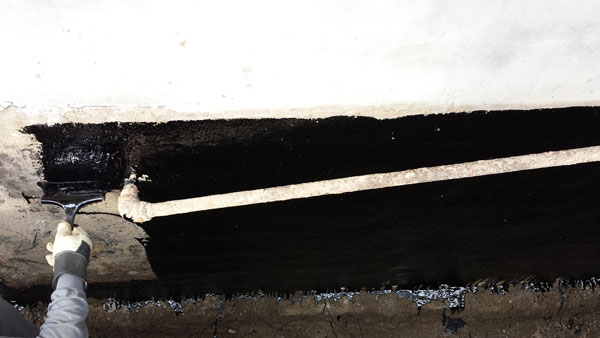
A perimeter drain does not replace waterproofing, it supports it. Builders who combine a high-quality membrane on the wall, a protection board to keep backfill from scarring it, and a drain board that relieves hydrostatic pressure see far fewer issues. If you rely on dimpled sheet alone with poorly prepared backfill, water will find the crack at a utility penetration or tie form. The cost delta for a robust wall treatment is modest against the cost of a finished basement in London, which often carries a family room, a bedroom, and a bath.
Inside, consider a capillary break under slabs with 100 to 150 mm of clean stone beneath a poly vapor retarder. It pairs with the footing drains to give groundwater a place to go. Where radon mitigation is a concern, the same stone and a stubbed vent riser allow later activation without core drilling through everything you just built.
What good drainage looks like at handover
You can feel a well-drained house even on a damp day. The sump does not cycle every few minutes. The lawn edges near the foundation stay firm underfoot, not spongy. Downspout extensions do not run across walkways because they are routed to emitters or to swales. The rear corner where three lots meet is firm by mid-morning after a storm.
I remember a pair of adjacent lots near Hyde Park Road. Same builder, same weather, similar plans. One foreman insisted on a rigid SDR-35 perimeter, geotextile-wrapped stone to grade, and a sump with a battery backup. The other used corrugated pipe and spotty fabric, backfilled during a wet week, and decided a plain pump would do. The first homeowner has never called. The second called in spring, then again in fall. A few hundred dollars in materials and a day of patience sorting wet backfill made the difference. Multiply that by a subdivision and you see the payoff.
Cost expectations and trade-offs that pencil out
For a typical detached home in London, a competent footing drain system with 100 mm pipe, clear stone, fabric, cleanouts, and connection to a sump runs in the range of 2,500 to 5,000 CAD, depending on access, depth, and pump selection. Add yard laterals or connections to rear-yard basins and you might add 1,500 to 3,000 CAD. Upgrading to rigid pipe, adding more stone, and wrapping the envelope are all low-cost decisions compared to call-back excavation, which starts around 6,000 CAD to expose one sidewall and climbs quickly if paving or decks are in the way.
Pursue value, not just low bid. Experienced drainage contractors in London, Ontario understand the city’s grading expectations and the soil quirks. They do not cheap out on stone or fabric, and they own a drum auger and camera for later maintenance. When you evaluate quotes, look for details like fabric specs, stone type, and cleanout locations. The cheapest line item that says “weeping tile installed” without more detail usually brings a truck of mixed fill and little else.
Coordination during construction keeps water out
Water problems often show up as a coordination failure, not a single bad decision. Framers crush a section of pipe with a lift. The low point in the rear swale becomes a stockpile spot for spoil and never recovers. The eavestrough installer points a downspout to a paved walk. A finishing crew buries a sump discharge under a deck.
To reduce the fail points, hold a five-minute huddle with your site lead and the drainage sub after excavation and before backfill. Agree on where the envelope wraps start and stop, how the sump line will route, and where downspouts will discharge. Stake those points and spray the routes. Add the sump circuit to your pre-drywall electrical walk so the electrician does not miss the dedicated outlet. Small acts of choreography save the plumber from improvising a discharge line on the day of inspection.
A simple pre-backfill checklist for site supers
- Verify drain pipe elevation relative to footing, with a 0.5 to 1 percent fall to outlet or sump
- Confirm envelope details, including stone depth and full geotextile wrap
- Check cleanout risers at far corners, capped and documented on as-builts
- Approve discharge routing, with daylight outlet protection or sump plumbing and power
- Walk the rough grades to confirm 2 percent away from foundation and swale connectivity
Field installation sequence that works in London soils
- Bed the pipe on 150 mm of 19 mm clear stone, place pipe with perforations at 4 and 8 o’clock, then cover with stone to at least 300 mm
- Wrap the stone in non-woven geotextile, lapped tight at the top, before backfilling
- Install cleanouts at corners with solvent-welded or gasketed connections, risers cut flush with grade and capped
- Route to sump or daylight with continuous fall, test with a hose before covering
- Backfill with free-draining material near the wall, compacted in lifts, and protect the wall membrane with a board or drain mat
Edge cases builders should plan for
High water tables along the Thames or near wetlands can overwhelm a standard system during spring melt. In those pockets, upsizing the pipe, adding additional stone volume, and specifying a higher-capacity pump with a secondary discharge line takes the edge off peak events. A second sump pit connected across the slab can balance flows on long foundations.
Iron ochre can plague some neighborhoods. It looks like orange slime in the sump and drains. Where you find it, focus on access for maintenance. Cleanouts, smooth-walled pipe, and easy sump access let service crews flush lines yearly. Chemical treatments are a last resort and rarely permanent.
Tree roots will chase water. If the landscape plan calls for large maples or willows anywhere near yard drains, separate those systems physically. A solid-walled section near trees, followed by a perforated section further away, buys time. Root barriers help, but expect eventual maintenance.
Tight infill lots with shared swales need neighbor cooperation. Put drainage easements and maintenance responsibilities in writing. A beautifully executed yard drain means little if the adjoining property lets a fence block the swale.
Documentation and homeowner education
At handover, include a one-page drainage sketch in the homeowner binder. Mark the sump, discharge route, cleanout caps, and any yard emitter locations. Note that the sump requires power at all times and that the breaker should be labeled. Explain that downspout extensions should stay connected except during maintenance or freezing rain that requires temporary rerouting. Provide the name of your preferred service company for the sump pump and any reaming or flushing needs. Small, clear instructions avert the kind of homeowner improvisation that leads to mid-winter calls.
Where to bring in specialists
As a builder, you manage the big picture. Bring in drainage contractors London, Ontario trusts for complex lots, high groundwater, or when subdivision rules are unusually strict. A seasoned crew will spot a doomed daylight plan during the walk and suggest a compliant alternative. They know which sump models fail less, and they show up with the right fittings instead of scraping from the bottom of the supply bin. That experience shows in clean, consistent installs and fewer surprises at inspection.
Why homeowners rarely talk about drainage when it works
Good drainage is invisible. The homeowner notices quiet, dry storage rooms and firm lawns. They do not know how many tons of stone sit behind that comfort. As a builder, your goal is to make drainage a non-topic for the life of the home. In London’s soils, that takes slightly more care than in sandy regions, but the techniques are standard and proven. Choose clean materials, protect them from contamination, commit to clear discharge paths, and coordinate the work. The result is a house that shrugs off heavy rain, a front yard that stays crisp after a thaw, and a builder whose phone stays blessedly quiet.
For those researching solutions or comparing bids, sensible search terms like “french drains London Ontario,” “weeping tiles London Ontario,” and “backyard drainage London Ontario” will lead to local examples and contractors who work in this soil and climate every day. Ask them about fabric wraps, stone gradation, and outlet strategy. Their answers will tell you if they build systems that last past the first winter.
Ashworth Drainage — Business Info (NAP)
Name: Ashworth DrainageAddress: 514 Hale St, London, ON N5W 1G8
Phone: (519) 660-9375
Website: https://www.ashworthdrainage.ca/
Email: [email protected]
Hours:
Monday: 9:00 AM – 5:00 PM
Tuesday: 9:00 AM – 5:00 PM
Wednesday: 9:00 AM – 5:00 PM
Thursday: 9:00 AM – 5:00 PM
Friday: 9:00 AM – 5:00 PM
Saturday: Closed
Sunday: Closed
Open-location code (Plus Code): XRR3+HV London, Ontario
Map/listing URL: https://maps.app.goo.gl/9kaoXAxRtJRP1ThS9
Embed iframe:
Socials (canonical https URLs):
Facebook: https://www.facebook.com/ashworthdrainage/
X: https://twitter.com/ashworthrules
Instagram: https://www.instagram.com/ashworthdrainage/
https://www.ashworthdrainage.ca/
Ashworth Drainage provides basement waterproofing and foundation repair services in London, Ontario and surrounding areas in Southwestern Ontario.
The company helps homeowners address wet basements, water intrusion, and drainage issues with solutions that fit the property’s conditions.
Service requests can include foundation repair, waterproofing options, sump pump and drainage-related work, and related assessments.
Ashworth Drainage is based at 514 Hale St, London, ON N5W 1G8.
To reach the team, call (519) 660-9375 or email [email protected].
Business hours are Monday to Friday 9:00 AM–5:00 PM, with the office closed Saturday and Sunday.
For directions and listing details, use the map listing: https://maps.app.goo.gl/9kaoXAxRtJRP1ThS9.
Popular Questions About Ashworth Drainage
What does basement waterproofing help prevent?Basement waterproofing is intended to reduce water intrusion and moisture problems that can lead to dampness, leaks, odors, and damage over time.
How do I know if I may need foundation repair?
Common signs can include visible cracks, water seepage, shifting or uneven areas, or recurring moisture problems; an on-site assessment is usually the best way to confirm causes and options.
What areas does Ashworth Drainage serve?
Ashworth Drainage serves London, Ontario and surrounding areas in Southwestern Ontario.
What are Ashworth Drainage’s hours?
Monday–Friday 9:00 AM–5:00 PM; Saturday closed; Sunday closed.
How can I contact Ashworth Drainage?
Phone: +1-519-660-9375
Email: [email protected]
Website: https://www.ashworthdrainage.ca/
Map: https://maps.app.goo.gl/9kaoXAxRtJRP1ThS9
Facebook: https://www.facebook.com/ashworthdrainage/
X: https://twitter.com/ashworthrules
Instagram: https://www.instagram.com/ashworthdrainage/
Landmarks Near London, ON
1) Kiwanis Park2) Western Fair District
3) Covent Garden Market
4) Victoria Park
5) Budweiser Gardens
6) Museum London
7) Fanshawe Conservation Area