Basement Waterproofing London Ontario: Complete Homeowner’s Guide
Basements in London, Ontario live in a hard-working climate. We sit on heavy clays https://raymondnsgm520.capitaljays.com/posts/foundation-repair-london-ontario-fixing-cracks-before-they-spread and silty soils that swell when wet and shrink when dry. The Thames River and a varied water table can push moisture against foundations for weeks at a time each spring. Freeze and thaw cycles stress concrete, and older homes in Old North, Wortley Village, and SoHo often carry original drains and parged rubble that were never designed for modern storm events. If your basement smells musty after a rain, or a thin line of water appears along the wall-floor joint in April, you are not alone. Getting ahead of it is not guesswork, but it does require the right sequence of diagnosis, drainage, and, when necessary, foundation repair.
This guide distills what consistently works in London’s conditions, how to separate symptoms from causes, and what to expect from reputable basement waterproofing and foundation repair in London Ontario.
Why basements leak more often here
The soil under much of London is dense clay. Clay is great at holding water, which means it holds hydrostatic pressure against your foundation walls long after a storm passes. Pressure looks for a relief point. It can find a hairline shrinkage crack in poured concrete, a mortar joint in block, or the cold joint where the wall meets the slab. Older houses may still rely on original “weeping tile,” which was once literal clay tile. Those sections clog with fines, collapse, or simply reach the end of their life. Even newer plastic drain tile can fail if the fabric sock clogs with silt from backfill that lacked proper gradation.
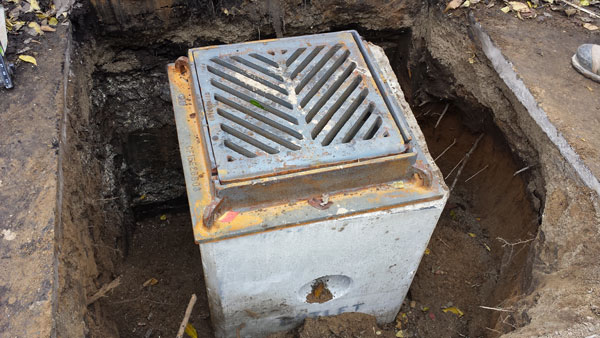
Our precipitation pattern is another factor. The heaviest melt and rain events tend to bunch up in late winter and early spring. When frost sits in the ground, surface water runs against the foundation instead of soaking in. That overloads window wells and surface drains. In summer, the topsoil dries and pulls away from the wall, creating a gap that channels the next storm right down to the footing. All of this pushes moisture to the path of least resistance.
Construction details matter too. London’s postwar neighborhoods often have block foundations, which handle vertical loads well but are more vulnerable to lateral pressure. Bowing, step cracks in mortar joints, and seepage through the cells show up when backfill is poorly compacted or exterior drainage fails. Newer poured walls resist water better, but even a single honeycomb or tie-rod hole can leak steadily.
Early signs you should not ignore
A wet basement does not always start with standing water. The body tells you something is off before the floor is submerged. If you catch the small signals, solutions are simpler and less expensive.
- Musty odour that hangs even when the windows are open
- Efflorescence, the white powdery bloom on concrete or block
- Paint blisters or spalling parge along the lower third of walls
- A thin damp line where the floor meets the wall after heavy rain
- Rusted bottom edges on metal furniture or furnace legs
If these show up right after storms or snowmelt, think exterior water management and foundation drainage first. If they show up in midwinter with no rain, look at indoor humidity, dryer vents, and plumbing.
Confirming the source before you spend
Waterproofing works best when you target the true source. I carry a simple moisture meter, a bright flashlight, and blue tape. When a homeowner points to a discoloured patch, I meter up and down the wall, across the floor, and around penetrations. If the highest readings follow the wall-floor joint and calm down toward the center of the slab, that suggests hydrostatic pressure under the slab, not a leaking pipe.
Condensation is a common red herring. Cold walls in summer can sweat when indoor humidity climbs. Tape a square of clear plastic to the suspect area. If droplets form on the room side of the plastic, you have condensation. If droplets collect underneath against the concrete, you have seepage. I also ask about sump pump cycling, and I will gently pour a few litres of water into exterior window wells. If it disappears immediately, the well might have a working drain. If it fills and lingers, add that to the fix list.
Never forget sewage. A basement floor drain that burps and a foul smell after thunderstorms point to the sanitary side. Backwater valves and sewer lateral inspections sit in a different bucket than foundation leaks. In London, you cannot legally discharge a sump pump to the sanitary sewer, and many homes have been disconnected from sanitary to reduce basement backups during storms. The first half hour of good diagnostics will save a homeowner thousands by steering the project toward the right system.
Interior versus exterior waterproofing, with London conditions in mind
Interior systems manage water after it reaches the foundation, while exterior systems keep it from getting in. Each has a place.
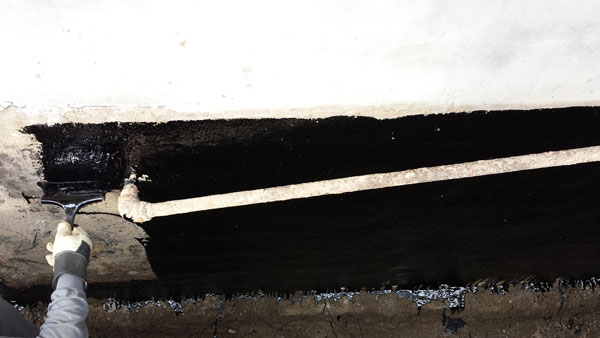
Exterior excavation with a modern membrane and new weeping tile is the gold standard when you can access the problem walls. It addresses the root cause by relieving pressure at the footing, replacing clogged drains, and giving water a controlled path to a sump or storm outlet. It also protects the foundation wall itself against saturation and freeze damage. In London’s clay, I favor a multi-layer approach: a rubberized membrane against the wall for adhesion, followed by a dimpled drainage board to create an air gap, all tied into perforated pipe surrounded by washed stone with a proper filter fabric. Done right, an exterior system should last decades.
Interior perimeter drains, sometimes called French drains or interior weeping tile, are practical when exterior access is blocked by a driveway, a neighbour’s structure, or mature landscaping. They capture water at the wall-floor joint and under the slab, moving it to a sump. They do not dry the soil outside, so the wall may still see pressure, but they protect your finished space and belongings. In block walls, weep holes at the bottom course relieve water trapped in the hollow cores. With a sealed vapor barrier on the wall leading down to the drain and a dimpleboard over the interior trench, you can create a controlled, serviceable system that is friendly to future basement finishing.
For a single vertical crack in a poured wall that seeps only in spring, crack injection from the interior can be the entire fix. Polyurethane foam injections expand to fill the leak path and remain flexible. Epoxy injections bond the concrete structurally for non-moving cracks. The choice depends on movement, age, and whether there is lateral stress. In block, injections are less effective, and I tend to guide homeowners toward drainage.
Window wells, grading, and the top five feet
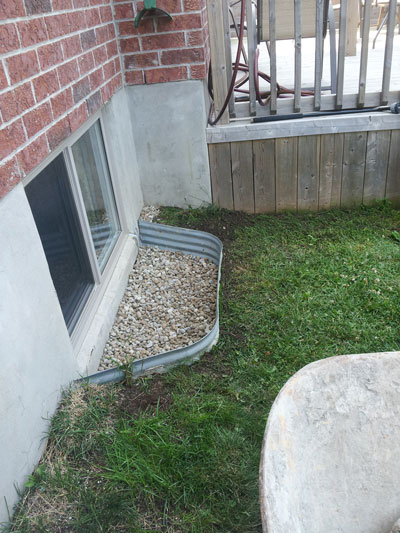
Many basement leaks are solved above grade. I have seen window wells without any gravel, just topsoil that holds a puddle against single-pane frames. A well should sit at least a few inches above grade with a sloped, compacted surround that sheds water away. The well itself needs clean stone and a vertical drain pipe down to the footing drain where feasible. In clay, I prefer a cover to prevent the well becoming a bathtub during a storm.
Grading is cheap insurance. Over time, soil settles against the foundation, creating a gutter that points water right to the wall. Rebuild the first 5 to 8 feet of soil with clay fill that compacts well, then top with a thin layer of topsoil for grass. Sidewalks and patios should pitch away a minimum of 2 percent. Caulk the first control joint at the house with a high quality, flexible sealant. Downspouts should discharge at least 8 to 10 feet from the foundation, ideally to a splash pad over clay or to an underground leader with an outlet far from the backfill zone. A $15 downspout extension often does more good than any other single item a homeowner can buy.
Sump pumps and power in a storm
In our region, a sump pump is the heart of many interior and exterior systems. I size pumps by anticipated inflow, lift height, and discharge length. A common 1/3 hp unit handles light flows, but many London basements benefit from a 1/2 hp pump with a vertical float, a rigid discharge, and a silent check valve. I avoid corrugated discharge lines that clog with fines.
Power is what fails during big storms. A battery backup pump buys peace of mind. It is not only about hours of runtime. A quality backup has a separate float and discharge so a single failure does not take down the whole system. Pair it with an alarm that sends a text or at least makes enough noise to wake a teenager. Regularly test the floats and run the pump into a 20 litre bucket for a minute to verify performance. Keep the discharge clear of ice. In winter, a freeze guard or winterized outlet prevents backpressure that can burn out a motor.
London has bylaws around stormwater. Sump discharge must not go to sanitary, and it must be directed so it does not cause a nuisance to neighbours or freeze across sidewalks. Before trenching or adding a buried line, contact Ontario One Call for utility locates. It is free and mandatory.
Foundation repair in London Ontario: when water is not the only issue
Some basements need more than waterproofing. The same soils that hold water also push laterally on block walls. If you see a horizontal crack running along the third or fourth course from the top, measure inward bowing. A straightedge and a tape will tell you if you are at 10 millimetres of deflection or 40. Small deflections can be stabilized with carbon fiber straps bonded to the wall. More movement may call for steel I-beams anchored top and bottom. In severe cases, excavation to relieve pressure and rebuild the wall with proper backfill is the safer path.
Settlement shows differently. Diagonal cracks from window corners, doors that stick, and gaps at the sill can point to footing settlement or poor bearing soils. Helical piers or push piers transfer the load to deeper, more stable soils. Pier work is precision heavy lifting. You want a contractor with engineering support, torque monitoring, and a clear plan that addresses drainage after the repair. I have seen beautiful pier work left to fail again because the new system dumped roof water right beside the newly stabilized wall.
Repair work should blend with waterproofing. If you brace a wall, take the chance to add an exterior membrane and reset the backfill with washed stone and a proper filter. If you pier a corner, revisit surface drainage and downspouts. The goal is not only to fix damage but to change the conditions that caused it.
Costs, realistic ranges, and what drives them
Pricing swings with access, length of wall, depth, and finish level. In London, typical ranges look like this:
- Crack injection for a single poured wall crack: roughly 400 to 900 CAD depending on length, accessibility, and whether epoxy or polyurethane is used.
- Interior perimeter drain with sump, including breaking and reinstating the slab, tie-in to a sealed wall barrier, and a quality pump: commonly 60 to 120 CAD per linear foot. A full basement might run 6,000 to 15,000 CAD depending on scope, number of corners, and height of slab removal.
- Exterior excavation with new weeping tile, membrane, and dimple board: often 100 to 250 CAD per linear foot. Depth is a major driver. Deeper footings cost more to dig and shore safely.
- Sump pump with discharge line and check valve: 1,500 to 3,500 CAD for a primary system. Add 900 to 2,500 CAD for a solid battery backup system with an alarm.
- Backwater valve installation on the sanitary line to reduce sewer backup risk: often 1,500 to 3,000 CAD, with variations for depth and concrete work.
These are ballparks, not quotes. If a contractor gives you a one-line price for a complex job, ask for a line-by-line scope. In older homes with finished basements, budget for restoration. Replacing carpet with vinyl plank in a vulnerable area is not just about looks. It changes your risk profile for the next decade.
Check whether the City of London is currently offering any grants for backwater valves or sump pump systems. The city has periodically supported flood reduction measures with grants and disconnection programs. Program details and amounts change, so verify eligibility before you start work.
How to choose a contractor without regret
You are hiring judgment as much as muscle. Waterproofing lives in the quality of details you no longer see once the trench is closed or the concrete is poured. Here is what separates reliable firms from everyone else:
- Clear diagnosis and willingness to explain trade-offs. If the only answer offered is their favorite system, keep shopping.
- Evidence of WSIB coverage, liability insurance, and permits when required. Some exterior digs need permits and always need locates.
- Permanent materials. Washed stone, perforated pipe with the right slot pattern, filter fabric that matches the soil, and membranes with known adhesion. Ask them to name the products.
- A written warranty that matches the system. Interior drains should have a transferable warranty on seepage at the wall-floor joint. Crack injections should be warranted against leakage of the injected crack, not the entire wall. Exterior systems should spell out what is covered if a section clogs.
- Real references in London’s climate. Ask to see a job a year old and talk to the homeowner. If the contractor hesitates, there is a reason.
Do not let anyone pressure you into a same-day signature with a discount that disappears at 5 p.m. Water problems are serious, but a week to verify scope and references will not change the physics in your basement.
What a typical professional installation day looks like
Every house is different, but the rhythm is similar. This example follows an interior perimeter drain with sump in a 1950s block basement.
- Protect finishes, set dust control, and snap chalk lines to mark the trench around the perimeter
- Break and remove a narrow strip of slab, excavate to the footing, and drill weep holes in the bottom course of block
- Install perforated pipe pitched to a sump basin, surround with washed stone, and line with a compatible filter fabric
- Hang a sealed vapor barrier on the wall, lap it into the drain, and place a dimple board against the trench
- Pour back the concrete flush with the existing slab, set the pump and discharge with a check valve, test under flow, and clean the site
On an exterior system, expect a small excavator, shoring where needed, careful cleaning of the wall, and meticulous application of membrane and dimple board. Spoils need to be trucked or stored on site without damaging neighbours’ properties. Ask how they will protect landscaping and how they will compact the new backfill.
A maintenance calendar that works here
Spring deserves a full circuit around the house after the first thaw. Look for downspouts that popped loose, heaved concrete that now pitches toward the wall, and window wells that collected leaves. Lift the sump lid, run a bucket of water into the basin, and watch the discharge outside. If you see water running back along the foundation, extend the outlet further out. This is also a good time to check that the furnace condensate and water softener do not dump into the sump. In London, those should go to a proper drain, not to the storm system.
Summer is when condensation pretends to be a leak. Keep indoor humidity in check. A small dehumidifier set to 50 percent runs cheaply and prevents stale odours. If you painted walls in winter, see how they fare in July. Peeling near the slab is a sign of trapped moisture or poor prep.
Autumn is roof and gutter season. Clean eavestroughs, confirm the slope, and check that hangers are solid. One sag creates a spill that pours a thousand litres against one corner in a month. Before freeze, make sure buried sump discharge lines are clear. Some homeowners swap to a surface extension for winter to avoid a frozen line underground.
Winter gives your basement time to dry, but it also hides problems until spring. Test the battery backup pump monthly. If your basement had past seepage, store valuables in sealed bins on shelves. An hour spent on prevention makes spring feel less like roulette.
DIY where it makes sense, and where it does not
There is a lot you can do as a homeowner. Regrade low spots, extend downspouts, clean gutters, and seal obvious gaps at penetrations. You can test sump pumps, replace a failed check valve, and add a high water alarm. If you have a single, visible crack in a poured wall above grade, a surface seal may be a stopgap for a season.
Cutting a trench around your basement and tying into a sump looks simple on a video, but it is demanding work with a high penalty for mistakes. Trenches that do not pitch, wrong stone gradation, poor filter fabric, or a bad tie-in leave you with a damp basement and a worse mess to fix. Exterior digs carry safety risks and utilities. Even seasoned crews pause for locates and shoring. When you get to structural repairs, from carbon fiber to piers, bring in pros. Foundation repair in London Ontario is a specialized trade for a reason.
Insurance, warranties, and what they really cover
Home insurance is designed for sudden and accidental events, not gradual seepage. If a storm floods your basement because the sanitary sewer backed up, coverage depends on endorsements you added and the insurer’s definitions. Most policies require a sewer backup endorsement, and limits may be lower than your main policy limit. Many exclude groundwater seepage through walls. Ask your broker in plain language what is covered in your address.
Warranties on waterproofing systems should be written, specific, and transferable once. A lifetime warranty that does not survive a change of ownership is a sales tool, not protection. Understand what maintenance is required to keep it valid. Some interior system warranties require you to keep the sump pump in working order and the discharge unobstructed. If you plan to finish the basement after an interior system, ask for photos and a map of the drain layout. You will want those when you frame and drill.
A quick London case study
A homeowner in Old East Village called after spotting a chalky line along the wall-floor joint and a faint puddle near a floor drain after spring melt. The home had a block foundation from the 1940s and original clay weeping tile. We started with simple checks. The downspouts discharged into short, crushed extensions. The backyard pitched gently toward the house, and the window wells held water like bowls.
We upgraded the downspouts to rigid 10 foot extensions, rebuilt the grade with clay fill, and punched clean, stone-filled drains in the window wells tied to a new exterior line daylit at the alley. The musty smell improved, but the damp line returned in a hard June storm. The homeowner chose an interior perimeter drain tied to a new sump because a shared driveway blocked exterior excavation on the long wall.
We installed a perimeter drain on three accessible walls, drilled weep holes in the block, hung a sealed barrier, and set a 1/2 hp pump with a battery backup. The floor stayed dry in the next two storms. A year later, we went back to inject a hairline vertical crack at a porch corner that we had flagged initially as non-urgent. Total investment came to the middle of the ranges above, and the homeowner finished the space with vinyl plank instead of carpet. The insurance company reduced the sewer backup premium after the backwater valve was added. Practical steps, in the right order, closed the loop.
When urgency is highest
If water is rising from a floor drain or a basement toilet, call a plumber first. That is a sanitary backup, and waterproofing will not fix it. If a wall has a horizontal crack and bows inward more than a couple of centimetres, do not wait for spring. Relieve pressure and stabilize it. If your sump runs every minute and stops only when you lift the float by hand, shut off the pump, check the discharge for ice or obstruction, and have it serviced or replaced quickly. Pumps tend to fail at 2 a.m. While the store is closed.
For the rest, take a breath. Even a wet basement london ontario problem that looks dramatic often yields to a combination of drainage corrections, targeted crack repair, and, when needed, a professional interior or exterior system.
Bringing it together for your home
Basement waterproofing is not about throwing every product at a wall. It is about understanding how your lot sheds water, how your soil holds it, and how your foundation resists it. In London Ontario, the winning recipe usually blends surface control, reliable sump systems, and either interior drainage or exterior membranes depending on access and structure. Foundation repair london ontario services add strength where soils have pushed too hard or supports have shifted.
If you are facing decisions now, start with a careful diagnosis. Walk your property during a rain. Note where water collects. Take photos of damp spots and mark their edges with tape to track change. Then bring in a contractor who explains not just what they will install, but why each step fits the way water moves on your property. The right solution should feel inevitable after you see the evidence.
A dry, healthy basement is more than comfort. It protects the structure, the air your family breathes, and the long-term value of your home. With the right plan, it is entirely achievable in London’s challenging but manageable conditions.
Ashworth Drainage — Business Info (NAP)
Name: Ashworth DrainageAddress: 514 Hale St, London, ON N5W 1G8
Phone: (519) 660-9375
Website: https://www.ashworthdrainage.ca/
Email: [email protected]
Hours:
Monday: 9:00 AM – 5:00 PM
Tuesday: 9:00 AM – 5:00 PM
Wednesday: 9:00 AM – 5:00 PM
Thursday: 9:00 AM – 5:00 PM
Friday: 9:00 AM – 5:00 PM
Saturday: Closed
Sunday: Closed
Open-location code (Plus Code): XRR3+HV London, Ontario
Map/listing URL: https://maps.app.goo.gl/9kaoXAxRtJRP1ThS9
Embed iframe:
Socials (canonical https URLs):
Facebook: https://www.facebook.com/ashworthdrainage/
X: https://twitter.com/ashworthrules
Instagram: https://www.instagram.com/ashworthdrainage/
https://www.ashworthdrainage.ca/
Ashworth Drainage provides basement waterproofing and foundation repair services in London, Ontario and surrounding areas in Southwestern Ontario.
The company helps homeowners address wet basements, water intrusion, and drainage issues with solutions that fit the property’s conditions.
Service requests can include foundation repair, waterproofing options, sump pump and drainage-related work, and related assessments.
Ashworth Drainage is based at 514 Hale St, London, ON N5W 1G8.
To reach the team, call (519) 660-9375 or email [email protected].
Business hours are Monday to Friday 9:00 AM–5:00 PM, with the office closed Saturday and Sunday.
For directions and listing details, use the map listing: https://maps.app.goo.gl/9kaoXAxRtJRP1ThS9.
Popular Questions About Ashworth Drainage
What does basement waterproofing help prevent?Basement waterproofing is intended to reduce water intrusion and moisture problems that can lead to dampness, leaks, odors, and damage over time.
How do I know if I may need foundation repair?
Common signs can include visible cracks, water seepage, shifting or uneven areas, or recurring moisture problems; an on-site assessment is usually the best way to confirm causes and options.
What areas does Ashworth Drainage serve?
Ashworth Drainage serves London, Ontario and surrounding areas in Southwestern Ontario.
What are Ashworth Drainage’s hours?
Monday–Friday 9:00 AM–5:00 PM; Saturday closed; Sunday closed.
How can I contact Ashworth Drainage?
Phone: +1-519-660-9375
Email: [email protected]
Website: https://www.ashworthdrainage.ca/
Map: https://maps.app.goo.gl/9kaoXAxRtJRP1ThS9
Facebook: https://www.facebook.com/ashworthdrainage/
X: https://twitter.com/ashworthrules
Instagram: https://www.instagram.com/ashworthdrainage/
Landmarks Near London, ON
1) Kiwanis Park2) Western Fair District
3) Covent Garden Market
4) Victoria Park
5) Budweiser Gardens
6) Museum London
7) Fanshawe Conservation Area