Basement Waterproofing London, Ontario: Comparing Warranties and Contractors
Water has a way of finding the smallest weakness and turning it into a headache. In London, Ontario, basements feel that pressure more than most places. The city sits on a mix of clay and silt, with pockets of sand near former riverbeds and ravines that feed the Thames. Clay soils swell when wet, then contract as they dry. That movement stresses foundations and creates hairline cracks where seepage begins. Add spring thaws, summer downpours, and the occasional week of frozen ground with rain pooling at the surface, and you have the common recipe for a wet basement London Ontario homeowners know too well.
Waterproofing methods are only half the story. The warranty behind the work is often what saves you ten years down the line when a pump fails during a thunderstorm or when an old pipe clogs with iron ochre. This is where contractors separate themselves, not by the gloss of their brochures, but by how they stand behind their promises. If you are comparing basement waterproofing wet basement London Ontario providers, start with the soil and drainage reality under your own home, then drill into the fine print.
Why basements here get wet, even in houses that look sound
Most London basements I see have one or more of these contributors:
The original perimeter drain has failed, usually a clay or corrugated pipe that has crushed, clogged, or become disconnected. Builders in the mid 20th century often set the pipe on the footing without gravel wrapping, so fines washed in and slowly choked the line. When it fails, hydrostatic pressure builds along the wall, and water takes the path of least resistance along mortar joints and cracks.
Downspouts dump water next to the foundation. Even new eavestroughs cannot help if the discharge lands on compacted clay two feet from the wall. The first heavy rain will send that water straight to the footing, where it seeks a seam.
Surface grading slopes toward the house. A few centimeters of settlement over time reverses the intended slope. I have seen lawns that look flat send hundreds of liters toward a window well during a single storm.
Shrinkage and settlement cracks form in poured concrete walls within the first few years. These are not structural, but they are capillary highways that wet the paint line or feed a steady drip in the storage room.
Sump pumps run without redundancy. A single pump without a check valve or battery backup is a fair-weather friend. When it fails, the rising water table finds a level that includes your slab.
Understanding which of these applies to your home is the first filter when evaluating basement waterproofing. The second filter is the warranty that actually covers the failure mode you have.
Methods that work in London’s soils, and what their warranties usually look like
It is easy to oversimplify the solution as interior versus exterior. The better approach is to match the system to the failure pattern, the foundation type, and the soil.
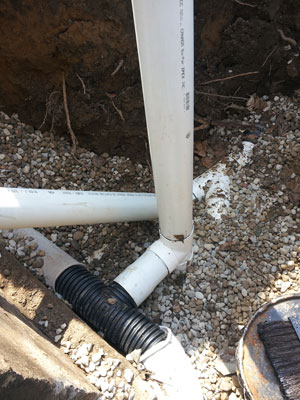
Exterior excavation and membrane. This is the classic approach for poured concrete and block foundations when the goal is to stop water before it gets in. The crew excavates to the footing, cleans the wall, repairs cracks, applies a rubberized or polymer-modified membrane, adds a drainage board, and replaces the weeping tile with a modern perforated pipe wrapped in filter fabric and gravel. When properly done, it controls hydrostatic pressure at the source. Warranties are often marketed as lifetime, but many are limited to workmanship on the area treated. They typically exclude damage from landscaping changes or new structures that alter drainage, and they can require proof that downspouts and grading have been maintained. Transferability to the next owner varies. Ask whether materials, such as the membrane, have their own manufacturer warranty separate from the contractor’s promise.
Interior perimeter drainage with sump. An interior channel is cut into the slab along the footing. A perforated drain is installed in gravel and directed to a sump basin with a pump and discharge to daylight. The system relieves hydrostatic pressure under the slab and along the wall base. It is the most common fix for chronic seepage at the cove joint, especially in homes where exterior access is limited by decks, paving, or property lines. Warranties often state dry floor, not dry walls. They may guarantee the system will handle normal groundwater, but exclude sub-slab obstructions, iron bacteria buildup, or pump failure beyond the manufacturer’s terms. The strongest warranties include service for clogs and maintenance intervals in writing.
Crack injection. Epoxy or polyurethane is injected into individual cracks in poured concrete. Polyurethane foams and expands, which is forgiving for hairline cracks that move with the seasons. Epoxy is a structural repair that bonds the crack. For a narrow crack that weeps during rains but does not show displacement, injection remains a cost-effective fix. Contractors usually warranty the specific crack for a set number of years, sometimes lifetime for residential. The fine print matters here. If new cracks appear within a few feet, that is considered new work, not a failure of the injected crack. For block walls, injection is less useful, because water migrates through the block cores and joints.
Exterior grading, downspout extensions, and window well drains. These are first-line defenses that are often overlooked. A contractor who suggests regrading and extending downspouts 3 to 6 meters before proposing excavation is usually giving sound advice. The warranty is usually short and tied to workmanship, since soil settles and landscaping changes. The value is in prevention, not in a multi-decade guarantee.
Interior coatings and sealers. Paint-on sealers can slow vapour transmission and minor seepage, but they are not pressure-rated solutions. Warranties are typically limited to product replacement. I would not rely on coatings alone if you already have visible water paths.
Underpinning and structural repair. In parts of London with older block foundations and heavier settlement, you may hear terms like carbon fiber straps, steel I-beams, or underpinning with poured pads. These cross over into foundation repair London Ontario rather than pure waterproofing. The warranties here split between structural stability and water control. Be clear on which one you are buying.
The method dictates the type of warranty, but the contractor’s reputation dictates how that warranty is handled when you call five years later. Both matter.
Warranties decoded: what the strongest ones include, and the traps to avoid
When homeowners bring me two quotes that appear similar in scope, the tie-breaker is usually in the warranty terms. Stripped of marketing language, a strong basement waterproofing warranty in London should speak plainly to these points:
- Transferability and limits. Can it transfer to the next owner, and how many times, with or without a fee?
- Scope of coverage. Is the promise dry floor only, or dry walls and floor in the treated area? Are sump components, discharge lines, and check valves included?
- Exclusions that matter locally. Look for iron ochre, construction sediment, power outages, and acts of nature language. Do they exclude clogs or only foreign object clogs?
- Service obligations. Are annual inspections required to keep the warranty valid, and what do they cost? Is there a service response time in writing for active leaks?
- Duration and proration. Does lifetime mean as long as you own the home, or is it a defined 25 to 50 years? Is there a cost-sharing schedule after a set number of years?
That is the first of two short lists in this article. It earns its place because these items are the ones I have seen trigger disputes. If a warranty omits them, assume they default to the contractor’s favour.
One more note on lifetime. In this industry, lifetime often means the expected service life of the system under normal use, and normal is defined by the contractor. I prefer warranties that define performance instead of time. Example, no water on the basement floor in the treated area under normal rainfall, with normal defined as less than a 10 year storm event. That is specific enough to arbitrate if needed.
Examples from the field, the kind that do not fit neatly in a brochure
A 1950s brick bungalow near Old South. Poured concrete walls, a single crack behind the laundry sink that wept after summer storms. The homeowner had two proposals. Contractor A offered epoxy injection with a 10 year crack-specific warranty, not transferable. Contractor B proposed polyurethane injection with a lifetime, transferable warranty for that crack, and a clause that covered re-injection if seasonal movement reopened the path. Price difference was less than 200 dollars. We chose B. Three years later, a heavy freeze-thaw cycle reopened a hairline. The crew returned and re-injected, no charge. The warranty language made that a straightforward call.
A 1970s two-story in Byron with a block foundation and chronic dampness along an entire wall. Exterior excavation would have meant tearing out a mature deck and a paved drive. The owner went with an interior perimeter drain and sump, with a battery backup and a water alarm. The warranty covered dry floor along the treated wall and annual maintenance of the sump system for a fee. Two years later, the check valve failed shut and burned a pump. Because the maintenance had been done and recorded, the contractor replaced the pump and valve under their workmanship warranty and claimed the part under the manufacturer warranty. If the owner had skipped the annual service, that would have been a fight.
A newer home north of Fanshawe Park Road with sandy loam backfill and a high seasonal water table. The original contractor had installed an exterior system, but the weeping tile daylit to a ditch that occasionally backed up. The warranty excluded municipal drainage changes, which was fair. The fix was an interior overflow path to the sump with a dedicated discharge line, plus a backwater valve on the sanitary. The new warranty was limited to the interior portion, with clear language stating where responsibility shifted to municipal infrastructure.
These stories underline a pattern. The fit between method and failure mode matters. The clarity in the warranty about that method matters even more once the crew leaves.
Comparing contractors in London: size, structure, and what you can verify
London has a mix of long-standing local firms, regional players that work across Southwestern Ontario, and national franchises. Each model has trade-offs.
Local independents often win on responsiveness and the simple fact that the owner’s name is on the truck and the warranty. They know the microclimates, like the heavy clays in White Oaks or the high groundwater west of the river. The risk is succession. If the business is a one or two person shop without a plan for the next decade, a lifetime warranty may outlast the company.
Regional contractors bring scale. They typically have more crews, warehouse parts for pumps and basins, and maintain service departments. Their warranties can be stronger because they have the cash flow to honor them. The risk is turnover on crews and a cookie-cutter approach that does not fit every foundation.
Franchises live on brand and systems. You might get slick project management and financing options. The warranty sometimes sits with the local franchise, sometimes with the parent company. Read closely. If the franchise changes hands, does the warranty travel with the territory or does it die with the company number?
You can verify more than most people realize. Ask for WSIB clearance, proof of liability insurance with your address named on the certificate for the project duration, and a copy of the building permit if structural work or exterior excavation triggers one. Some interior systems do not require a permit, but electrical connections for pumps do. The Ontario Building Code has clear requirements for sump discharge and backwater valves. A reputable contractor will be familiar with London’s bylaw on discharging clear water to the storm system and will not route your sump into the sanitary line.
The short list of questions that cut through the sales pitch
- What specific failure mode are you addressing, and how will your system handle it in a 5 year, 10 year, and 25 year storm?
- Show me a copy of your warranty, including exclusions, transfer terms, and required maintenance, before I sign.
- Who does your service work, and what is the typical response time when water is on the floor?
- If iron ochre or sediment clogs the line, is that covered, partially covered, or excluded, and how will you design around that risk?
- Can you provide three addresses in London with similar soil and foundation where this exact system has been in place for at least five years?
That is the second and final list. Everything else in the evaluation can be handled in conversation and contract language.
Costs, ranges, and what drives them
No two basements price the same, but patterns emerge. Crack injection in a poured wall usually falls in the low thousands for a few cracks, depending on access, number of stages, and whether surface preparation is needed behind finishes. Interior perimeter drains range widely based on linear footage and obstacles. Expect costs to escalate with features like battery backups, dual pumps, and high head discharge requirements. Exterior excavation is the most variable. Access drives the price. Open lawn with straight runs is one thing. Hand excavation between close houses, concrete removal, and careful landscaping restoration is another.
What surprises homeowners are the add-ons that make sense once you think about them. A quiet check valve instead of a cheap flapper reduces hammering noise. A lid with a proper gasket controls humidity and radon entry. A dedicated circuit with an alarmed outlet helps you know when a GFCI trip has shut the system down. Each item adds a few hundred dollars, but you can feel where the money goes when a summer thunderstorm knocks power out for ninety minutes and your basement stays dry because the battery had capacity.
The maintenance conversation most sales reps skip
A waterproofing system is not a roof shingle you forget for twenty years. Pumps have cycles. Filters clog. Battery backups age, especially in basements that hover near room temperature, which accelerates battery wear. Drains that run through clay zones can accumulate fines that slow flow over time.
A responsible contractor will schedule or at least recommend annual or biannual service. In practice, I tell homeowners to test their sump quarterly. Lift the float, confirm the pump runs and discharges outside, listen for the check valve closing cleanly, and see that the battery backup chirps properly when unplugged. A brief run will not flood the discharge line in winter if you pump to daylight, but do not test on a day when the line is frozen solid. Keep discharge points at least a few meters from the foundation and away from paved areas that channel water back.
If your warranty requires maintenance, ask for the service checklist in writing. Ask what happens if you miss a year. Some contractors will reinstate coverage after a paid inspection. Others void coverage outright. This is not a gotcha if it is stated upfront. It becomes one when it is buried in small print.
Red flags in quotes and contracts that have cost homeowners money
Quotes that guarantee a dry basement without defining the boundary of responsibility. No system controls municipal storm backups. No pump runs when the power is out unless a battery or generator feeds it. A blanket promise without qualifiers is a marketing line, not a warranty.
Cash deals that are light on paperwork. In this line of work, you want a paper trail. If something fails, you need more than a name and a phone number.
Discharge lines that terminate in a flower bed or onto a shared driveway without a proper extension. You might see a dry basement for a year, then a neighbour calls about icing on their drive, and the city gets involved.
Avoidance of the iron ochre question. Many London neighbourhoods have enough dissolved iron that it precipitates in low oxygen zones in drains. A seasoned contractor will talk about sediment basins, flush ports, and the limits of warranties around biological fouling.
Permits brushed aside where they are required. If structural supports are added or if you are tying into municipal systems, expect inspection. A contractor who dismisses this as red tape puts you at risk.
What a fair, strong warranty sounds like on paper
Reading through hundreds of documents over the years, the best ones share a pattern. They state the specific system installed, the area covered in plain language, and the performance standard. They name the pump model and the design head in feet. They separate materials warranty from workmanship, then make it clear who you call for what. They include a service schedule, exact fees for optional maintenance, and a clear escalation path for warranty claims. They define transfer terms on one line, not in a footnote. They include a page for the final inspection and test on the day of install, with your signature and theirs.
It might not feel exciting to ask for all this on a busy sales visit, but reputable contractors appreciate it. It signals that you will be a good partner if they need access later to service the system. It also protects them from scope creep when a problem shows up that is plainly outside the treated area.
Matching solution, warranty, and contractor to your house
If you want a rubric to guide your decision, think in three layers.
Layer one is diagnosis. Look at where and when water appears. A damp cove joint after days of steady rain suggests groundwater pressure. A trickle down a hairline crack 30 minutes after a thunderstorm points to surface water. A ring of dampness around pillars or in the middle of the floor hints at sub-slab wicking and capillary action. If the pattern changes with seasons, note that too.
Layer two is method. Exterior for exterior water, interior for pressure relief and hard-to-access perimeters, injection for discrete cracks in poured walls, grading and downspouts for first-line control. Add redundancy in pumps if you get repeat outages. If you live near the Thames or a low spot with a known water table, design for a long runtime.
Layer three is warranty. Make sure the promise aligns with the failure mode. If you go interior, accept that the wall behind studs might still be damp, and decide how you will finish that space with materials that tolerate moisture. If you go exterior, accept that landscaping will be disrupted and plan for proper restoration. Tie the contractor’s service department into your calendar with reminders for checks and maintenance.
The local angle most people forget
London homeowners have one more lever. City policies on stormwater and sanitary systems, as well as periodic grant programs, can change the cost of doing the right thing. In recent years, the city has promoted backwater valves on the sanitary and discourages connecting sump discharges to sanitary lines. Some years bring subsidies for valves, sump pump upgrades, or foundation drain disconnections. The specifics change, and you should check the City of London website or call the engineering department for current information. A contractor who works regularly in London will know the forms and the process, and a good one will bring it up before you do.
Neighbourhood norms matter too. If most homes on your street discharge sumps to the same side yard, you will see icing there in winter and soggy grass in spring. A small change in where you discharge can make a big difference for you and your neighbours. It also keeps you on good terms with bylaw officers who respond to nuisance drainage calls.
Final thoughts from the trenches
A wet basement is not a moral failing or a one-size-fits-all diagnosis. It is a physics problem shaped by soil, weather, construction era, and maintenance. In London, Ontario, those variables have a local flavour, and both basement waterproofing and foundation repair benefit from that local knowledge. If you compare contractors with a clear eye on the warranty behind their work, you will avoid the biggest pitfalls.
Ask the hard questions about coverage, service, and exclusions. Match the method to your home’s failure mode. Expect to invest in maintenance the way you would for a furnace or roof. When you do, a promise on paper becomes a dry, usable basement that stays that way through the fifth spring thaw and the tenth summer storm.
And when you hear a pump hum to life during a hard rain, you will be glad you pressed for specifics rather than settling for slogans.
Ashworth Drainage — Business Info (NAP)
Name: Ashworth DrainageAddress: 514 Hale St, London, ON N5W 1G8
Phone: (519) 660-9375
Website: https://www.ashworthdrainage.ca/
Email: [email protected]
Hours:
Monday: 9:00 AM – 5:00 PM
Tuesday: 9:00 AM – 5:00 PM
Wednesday: 9:00 AM – 5:00 PM
Thursday: 9:00 AM – 5:00 PM
Friday: 9:00 AM – 5:00 PM
Saturday: Closed
Sunday: Closed
Open-location code (Plus Code): XRR3+HV London, Ontario
Map/listing URL: https://maps.app.goo.gl/9kaoXAxRtJRP1ThS9
Embed iframe:
Socials (canonical https URLs):
Facebook: https://www.facebook.com/ashworthdrainage/
X: https://twitter.com/ashworthrules
Instagram: https://www.instagram.com/ashworthdrainage/
https://www.ashworthdrainage.ca/
Ashworth Drainage provides basement waterproofing and foundation repair services in London, Ontario and surrounding areas in Southwestern Ontario.
The company helps homeowners address wet basements, water intrusion, and drainage issues with solutions that fit the property’s conditions.
Service requests can include foundation repair, waterproofing options, sump pump and drainage-related work, and related assessments.
Ashworth Drainage is based at 514 Hale St, London, ON N5W 1G8.
To reach the team, call (519) 660-9375 or email [email protected].
Business hours are Monday to Friday 9:00 AM–5:00 PM, with the office closed Saturday and Sunday.
For directions and listing details, use the map listing: https://maps.app.goo.gl/9kaoXAxRtJRP1ThS9.
Popular Questions About Ashworth Drainage
What does basement waterproofing help prevent?Basement waterproofing is intended to reduce water intrusion and moisture problems that can lead to dampness, leaks, odors, and damage over time.
How do I know if I may need foundation repair?
Common signs can include visible cracks, water seepage, shifting or uneven areas, or recurring moisture problems; an on-site assessment is usually the best way to confirm causes and options.
What areas does Ashworth Drainage serve?
Ashworth Drainage serves London, Ontario and surrounding areas in Southwestern Ontario.
What are Ashworth Drainage’s hours?
Monday–Friday 9:00 AM–5:00 PM; Saturday closed; Sunday closed.
How can I contact Ashworth Drainage?
Phone: +1-519-660-9375
Email: [email protected]
Website: https://www.ashworthdrainage.ca/
Map: https://maps.app.goo.gl/9kaoXAxRtJRP1ThS9
Facebook: https://www.facebook.com/ashworthdrainage/
X: https://twitter.com/ashworthrules
Instagram: https://www.instagram.com/ashworthdrainage/
Landmarks Near London, ON
1) Kiwanis Park2) Western Fair District
3) Covent Garden Market
4) Victoria Park
5) Budweiser Gardens
6) Museum London
7) Fanshawe Conservation Area