Backyard Drainage in London, Ontario: Cost, Timelines, and Best Practices
Homes around London, Ontario sit in a landscape that looks flat until the first real rain of spring. Then the low spots reveal themselves. Clay soils hold water, downspouts dump right at the foundation, and that gentle slope toward the neighbor turns into a shallow pond. Good backyard drainage in London, Ontario is not a luxury project. It protects your foundation, preserves your lawn, and keeps moisture out of basements where mold and efflorescence take root.
I have walked more than a hundred sites across the city and surrounding townships. The problems repeat with local twists, from the heavy clay in White Oaks to long, slow lots in Masonville that shed toward rear fences. The fixes are repeatable too, but only work when the plan respects three things: how water already moves across the property, local soil percolation, and the City of London’s rules on where you can send stormwater.
How water behaves here
Most residential neighborhoods in London were graded to move water toward the street or a rear catch basin. Over time, lawns settle, landscape beds creep upward, patios get added, and the original positive slope disappears. Southwestern Ontario’s soils add a constraint. Many yards sit on clay or clay loam that percolates slowly. After a rain, water stays near the surface, then freezes and thaws for months. That cycle amplifies surface rutting and settles trench backfill if it is not compacted properly.
Frost depth matters. Around London, we design buried lines with a 1.2 metre frost consideration for infrastructure. Yard drains sit shallower, but materials and backfill choice need to accommodate freeze and thaw so the system still works in April when you need it most. Clear stone does not hold water the same way native clay does, so a properly built trench remains a preferential path for drainage even in cold months.
What you are trying to fix
When I meet homeowners, I ask them to point out three things. Where does water sit longest after a storm. Where does it spill over hard surfaces and move. Where has the house shown stress, such as hairline foundation cracks or chronic dampness on basement walls. If you map those observations against the site’s grade and your downspouts, the answer often becomes visible.
A typical London yard will show at least one of these conditions: depressed turf along the foundation where backfill has settled, a patio set too high against a sill or brick ledge, or a rear fence line with neighbors on either side pitching water toward each other. French drains help when the goal is to intercept and carry groundwater or surface runoff along a line. Weeping tiles, which are perimeter foundation drains, protect basements directly by lowering the water table at the footing. The two are related but serve different problems.
Quick field checklist before you call anyone
- After a heavy rain, time how long water stands in problem areas, then photograph it at 30 minutes, 2 hours, and 24 hours.
- Measure slope away from the foundation over the first 2 metres. You want at least 2 to 3 percent fall, about 25 to 38 millimetres per metre.
- Trace downspouts and verify where they discharge. Extensions should reach at least 2 metres from the wall and exit to a lower area.
- Open any existing catch basins and check for silt, roots, or collapsed connections.
- Contact Ontario One Call for utility locates before any digging. It is free, and responses typically arrive within 5 business days.
This small exercise avoids misdiagnosis. I have been called to install french drains where a 50 dollar downspout elbow would have solved the problem. I have also seen homeowners pour thousands into backyard drainage only to push the water into a neighbor’s low point and start a fence line dispute. Evidence and slope measurements set the plan.
Systems that work in London yards
Surface regrading and swales. The simplest and most reliable approach is to restore positive slope away from the house and toward a lawful outlet. Around here, a 2 to 5 percent slope across the first 2 to 3 metres is appropriate, with low turf areas brought up using quality topsoil, not just sand. Swales are shallow ditches that collect sheet flow. They should be smooth enough to mow, with a gentle U that does not trap water. Many builders established rear yard swales that faded. Restoring them keeps a yard dry without any buried pipe.
Downspout management. Many flooded basements begin with downspouts that end beside the wall. Extend every spout to daylight in a lower area or to a yard basin that connects to a legal storm outlet. The City of London has long pushed downspout disconnection from sewers. You cannot tie a spout into the sanitary line, and most properties do not have access to a storm sewer connection at the lot line, so overland flow is the typical goal. If you must cross a walkway, install a sleeve to avoid trip hazards.
French drains. In clay soils, french drains are valuable where you need to intercept and redirect water that lingers along a lawn edge, a fence line, or beside a driveway. A french drain is a trench filled with clear, washed stone that contains a perforated pipe, often 100 millimetres in diameter, wrapped in geotextile to keep fines out. The pipe must start at a higher elevation and discharge to a lower, legal location such as a rear catch basin or a lower portion of the yard that can safely absorb the flow. French drains London Ontario homeowners install most often run 10 to 30 metres, and I advise at least 300 millimetres of clear stone above the pipe in heavy clay.
Catch basins and dry wells. Yard basins capture surface water in depressions where regrading alone cannot overcome constraints. Connect them with solid pipe that maintains consistent fall to an outlet. A dry well can work in sandy pockets north of the city or where test pits show acceptable infiltration, but in most London clays, a dry well becomes a wet well. If you install one, overbuild the stone reservoir and add an overflow path you are comfortable seeing during a storm.
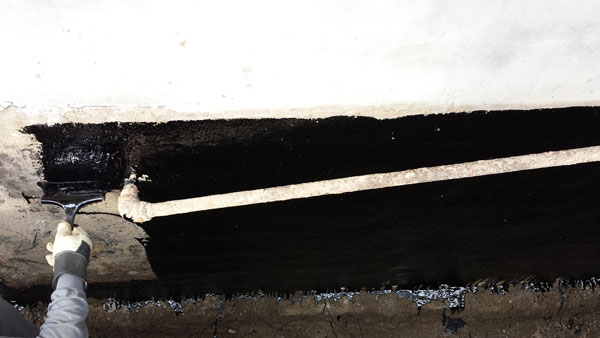
Weeping tiles. When people ask about weeping tiles London Ontario contractors are usually referring to replacing or repairing the foundation drainage around the footing. That system is not the same as a yard french drain. It protects the structure. A proper weeping tile is laid at the footing elevation in 19 millimetre clear stone, wrapped in non woven fabric, and daylights to a sump or storm connection if available. If your basement walls are wet at the base, the fix may involve excavation, exterior waterproofing membrane, and new weeping tile, not a shallow lawn trench.
Sump pumps and discharge lines. Many older homes now have interior sumps that collect from weeping tiles. In London, sump discharge usually goes to the surface, not the sanitary line, and should exit far enough from the foundation to avoid recirculating back toward the wall. In winter, plan for freeze protection with a bypass or a short surface section that can be kept clear.
What it costs in London, in real numbers
Costs vary with access, depth, restoration, and where the water can legally go. The ranges below are in Canadian dollars and reflect typical 2024 pricing seen across London and nearby communities. Material and labour rates continue to move, so treat this as a working guide.
Yard regrading. A basic front or side yard regrade with topsoil and seed often lands between 1,500 and 3,500 for a small property. Larger backyards with poor access, removal of old beds or patios, and sod instead of seed can push the figure to 4,000 to 8,000.
Downspout extensions. For simple surface extensions using solid pipe trenched shallow and restored with sod, think in the range of 300 to 800 per downspout. Where lines need to cross driveways in a sleeve or they must reach a rear basin with several bends, that can move toward 1,000 to 1,500 per run.
French drains. For backyard drainage London Ontario projects that require a 100 millimetre perforated pipe, wrapped stone, and full sod restoration, the installed cost typically runs 45 to 90 per linear foot, or 150 to 300 per metre. Trench depth, stone volume, fabric, and access drive the spread. A 20 metre french drain with two tie ins and cleanouts often totals 3,500 to 6,000.
Catch basins and solid conveyance. Each basin with proper bedding, connections, and a short run of solid pipe usually falls between 900 and 2,000. Longer conveyance to wet basement london ontario a rear lot catch basin, with 150 millimetre pipe at a consistent fall and careful compaction beneath fences or patios, can bring a project total into the 4,000 to 9,000 range.
Dry wells. In clay, plan 2,000 to 4,000 for a robust, oversized stone reservoir with geotextile, an inspection riser, and an overflow route. Test pits are part of this estimate. If the hole fills and sits, skip the dry well and choose a different design.
Weeping tile replacement and exterior waterproofing. Full exterior excavation around a home, replacement of weeping tiles, and adding a new waterproofing membrane usually start around 12,000 to 18,000 for a modest footprint and can reach 25,000 to 40,000 for larger homes or complex access. These numbers include excavation, stone, pipe, membrane, insulation where appropriate, and restoration with new backfill and grading.
Sump pump installation. A straightforward interior sump with pump, pit, check valve, and discharge line commonly falls between 1,800 and 3,200. Battery backups and exterior freeze reliefs add another 800 to 1,500.
The least expensive project that solves the real problem is always the best value. If the grade is wrong, no amount of buried pipe will save it. If the grade is right but a low area has nowhere to go, then a properly built french drain or basin connection earns its keep.
How long it takes and when to do it
Permits and approvals. Most backyard drainage does not require a building permit, but it does require utility locates and, in some neighborhoods, respect for drainage easements. Ontario One Call responses usually take up to 5 business days, and you should not dig before all clearances arrive. If the plan touches a municipal storm connection or crosses an easement, expect to coordinate with the City, which can add 1 to 3 weeks for review and timing.
Season. The working season in London runs from April to November, with the best window from late May to early October when soil is not saturated or frozen. Avoid the peak of spring thaw when the subgrade turns to soup. Late fall projects can work if restoration is planned with dormant seed or deferred sod.
On site durations. A small downspout extension trench with sod replacement takes a half day to a full day. A 20 to 30 metre french drain usually spans 1 to 2 days with a compact crew and equipment access. Adding catch basins and restoring larger lawn areas can stretch a project to 3 or 4 days. Full perimeter weeping tile replacement is a 5 to 10 day effort, longer on tight lots where excavation and spoils handling are slow.
Cure and settle time. Clear stone backfill settles far less than native clay, which is why we use it around pipes. Topsoil and sod over trenches will still settle some over the first few heavy rains. Good practice is to mound the surface slightly and plan a light top up after the first season if needed.
Local rules and good citizenship
Two reminders come up on almost every project. First, do not direct water onto a neighbor’s property in a way that causes damage or a nuisance. You will win no friends that way, and the City can force changes if complaints pile up. Second, never connect to the sanitary sewer. It is illegal, and it contributes to sewer backups during storms.
City of London standards prefer overland flow to designed outlets, with storm systems taking water where such connections exist. Downspout disconnections have been encouraged and, in some areas, mandated in the past. Your gutter and sump discharge should exit onto your property where it can infiltrate or move along a swale to a lawful point. If you are unsure whether a rear catch basin is municipal or private, ask before tying in.
Choosing drainage contractors in London, Ontario
Landscape companies, waterproofing specialists, and small excavation outfits all bid on drainage. The right fit is the one who treats grading first, understands local soils, and is willing to put a level on the ground with you. Paperwork matters too. You are not just buying a trench, you are buying judgment.
- Ask for two recent addresses within 20 minutes of your home where they installed french drains or regrading, and go look after a rain.
- Have them walk the site with a laser or water level and mark proposed slopes and outlet elevations in paint or flags.
- Request a written scope that names materials, including pipe type, stone size, fabric weight, and sod or seed restoration.
- Confirm they called Ontario One Call and will protect shallow lines like irrigation and low voltage, which locates may not mark.
- Compare warranties that are realistic. One to three years on workmanship for yard drainage is reasonable in our soils.
A good crew is as interested in where the water goes as you are. If a contractor cannot explain the outlet and the maintenance plan, keep looking.
Building a french drain that lasts here
I see two common failure Additional hints modes in this region. The first is a shallow trench filled with pea gravel and no fabric. In clay, fines migrate fast. Without a proper wrap, the stone matrix clogs. The second is a drain that starts too low or ends too high. Water does not defy gravity. If a drain slopes the wrong way by even a few millimetres per metre, it holds water instead of moving it.
For french drains London Ontario homeowners can trust, keep these execution notes in mind. Trench to a consistent depth and establish a fall of at least 10 millimetres per metre toward the outlet. Use 19 millimetre clear stone, not mixed or recycled aggregate that can include fines. Lay a 100 millimetre perforated pipe with the holes down inside a non woven geotextile wrap that lines the trench. Bring the top of stone to within 75 to 100 millimetres of finished grade and cap with topsoil and sod so you can mow right over it. If you want a visible stone strip, understand it will move under foot traffic and catch leaves. Provide a cleanout riser at the high end so you can flush the line if needed.
When you need weeping tile work instead
If water is entering at the cove joint where the wall meets the slab, if you see chronic dampness or white salt deposits near the base of the wall, or if the sump never sees flow, yard drains are not the first prescription. Weeping tiles, the foundation drains, are the control levers for groundwater at the footing. Exterior replacement with new pipe and membrane is the gold standard when the exterior is accessible, especially on block foundations that show moisture tracking through joints.
Interior drains and sump retrofits can be appropriate where exterior access is blocked by additions or tight lot lines. They intercept water at the base of the wall and route it to a sump for pumping. Costs are lower than full exterior work, but they do not waterproof the exterior wall. The right choice depends on structure, finishes, and long term plans.
Two brief snapshots from the field
A mid century bungalow in Old South had water sitting against the back wall for days after storms. The owner wanted a french drain along the foundation. We shot elevations and found the rear patio had been set 50 millimetres above the sill plate and pitched back toward the house. The fix was not a buried pipe. We regraded the first 2.5 metres to a 3 percent fall, cut the patio edge, installed a tight swale to the side yard, and extended the downspouts 3 metres. Total cost was under 4,000, and the basement musty smell faded within weeks.
On a newer two story in Hyde Park, the backyard dipped toward a shared rear catch basin. The sod was often saturated, and mower ruts stayed visible. We installed a 25 metre french drain along the rear third of the lot, tying two low pockets into a central run that sloped to the basin. We used 19 millimetre clear stone, a full fabric wrap, two cleanouts, and restored with sod. The project took two days. The owner sent photos after a thunderstorm. The rear strip remained firm while the neighbor’s yard puddled visibly. That is a sign of a preferential path that works.
Maintenance, warranties, and what to expect after the work
Good drainage is not set and forget. Leaves clog grates, downspout filters collect shingle grit, and low turf settles. Walk the property after the first few storms. Clear any debris from catch basins. Check downspout outlets to be sure the water is not short cycling back toward the house. Lightly top up settled trenches with screened topsoil in the first season if needed. If you have a sump, test it twice a year and confirm the discharge points away from the foundation.
A realistic contractor warranty covers workmanship for 1 to 3 years. Materials like pipe and fabric last far longer if installed correctly. If someone offers a lifetime performance guarantee on a yard drain in London clay, read the fine print. Performance depends on how the site is maintained and what changes happen upstream.
Edge cases and judgment calls
Not every wet spot demands a french drain. If the problem area is small and rain events are rare, a minor grade tweak or a rain garden with a deliberate depression may be smarter. If you have a large hardscape that traps water but also serves the family well, plan a discreet trench drain along its edge tied to a lawful outlet. If your neighbor’s yard is higher and feeds yours, solve for what you can control and open a friendly conversation about shared swales. The City will not redesign private grading between two homes unless there is a bylaw issue.
Conversely, do not underestimate roof area. A 1,500 square foot roof can shed close to 1,000 litres in a 10 millimetre rain. Two downspouts dumping at the back corner become a river. Extensions and smart routing often deliver the biggest return per dollar.
Answers to questions homeowners often ask
Do I need permits. Typically not for basic yard drainage, but yes for connections to municipal storm infrastructure or work in easements. Always get locates.
Can I connect to the storm sewer. Only if you have a legal, designed connection point. Many properties do not. Overland flow toward a rear lot catch basin or the street is the norm.
What if my soil is heavy clay. That is common here. Build drains with full geotextile wraps and generous clear stone, expect slower infiltration, and plan for defined outlets rather than relying on dry wells.
What is the difference between french drains and weeping tiles. French drains are yard systems that intercept runoff or shallow groundwater. Weeping tiles are foundation drains at the footing, tied to a sump or storm outlet. They solve different problems.
How do I find good drainage contractors London Ontario wide. Look for crews who lead with grade, provide clear scopes with materials listed, and who can show nearby work that has gone through at least one winter. Any contractor can cut a trench. Fewer can read water and build a system that behaves through April thaws.
Bringing it together
Backyard drainage is about pathways and patience. Respect the site’s natural routes, establish positive slope where it counts, and use french drains, basins, and weeping tiles with precision, not as catchall fixes. Costs in London, Ontario span modest to significant depending on scope. Timelines are predictable once locates and weather align. With a plan grounded in local soils and bylaws, you can keep water where it belongs and enjoy a yard that works every month of the year.
Ashworth Drainage — Business Info (NAP)
Name: Ashworth DrainageAddress: 514 Hale St, London, ON N5W 1G8
Phone: (519) 660-9375
Website: https://www.ashworthdrainage.ca/
Email: [email protected]
Hours:
Monday: 9:00 AM – 5:00 PM
Tuesday: 9:00 AM – 5:00 PM
Wednesday: 9:00 AM – 5:00 PM
Thursday: 9:00 AM – 5:00 PM
Friday: 9:00 AM – 5:00 PM
Saturday: Closed
Sunday: Closed
Open-location code (Plus Code): XRR3+HV London, Ontario
Map/listing URL: https://maps.app.goo.gl/9kaoXAxRtJRP1ThS9
Embed iframe:
Socials (canonical https URLs):
Facebook: https://www.facebook.com/ashworthdrainage/
X: https://twitter.com/ashworthrules
Instagram: https://www.instagram.com/ashworthdrainage/
https://www.ashworthdrainage.ca/
Ashworth Drainage provides basement waterproofing and foundation repair services in London, Ontario and surrounding areas in Southwestern Ontario.
The company helps homeowners address wet basements, water intrusion, and drainage issues with solutions that fit the property’s conditions.
Service requests can include foundation repair, waterproofing options, sump pump and drainage-related work, and related assessments.
Ashworth Drainage is based at 514 Hale St, London, ON N5W 1G8.
To reach the team, call (519) 660-9375 or email [email protected].
Business hours are Monday to Friday 9:00 AM–5:00 PM, with the office closed Saturday and Sunday.
For directions and listing details, use the map listing: https://maps.app.goo.gl/9kaoXAxRtJRP1ThS9.
Popular Questions About Ashworth Drainage
What does basement waterproofing help prevent?Basement waterproofing is intended to reduce water intrusion and moisture problems that can lead to dampness, leaks, odors, and damage over time.
How do I know if I may need foundation repair?
Common signs can include visible cracks, water seepage, shifting or uneven areas, or recurring moisture problems; an on-site assessment is usually the best way to confirm causes and options.
What areas does Ashworth Drainage serve?
Ashworth Drainage serves London, Ontario and surrounding areas in Southwestern Ontario.
What are Ashworth Drainage’s hours?
Monday–Friday 9:00 AM–5:00 PM; Saturday closed; Sunday closed.
How can I contact Ashworth Drainage?
Phone: +1-519-660-9375
Email: [email protected]
Website: https://www.ashworthdrainage.ca/
Map: https://maps.app.goo.gl/9kaoXAxRtJRP1ThS9
Facebook: https://www.facebook.com/ashworthdrainage/
X: https://twitter.com/ashworthrules
Instagram: https://www.instagram.com/ashworthdrainage/
Landmarks Near London, ON
1) Kiwanis Park2) Western Fair District
3) Covent Garden Market
4) Victoria Park
5) Budweiser Gardens
6) Museum London
7) Fanshawe Conservation Area